Fishing Outfitters for Boundary Waters Canoeing and Quetico Trips
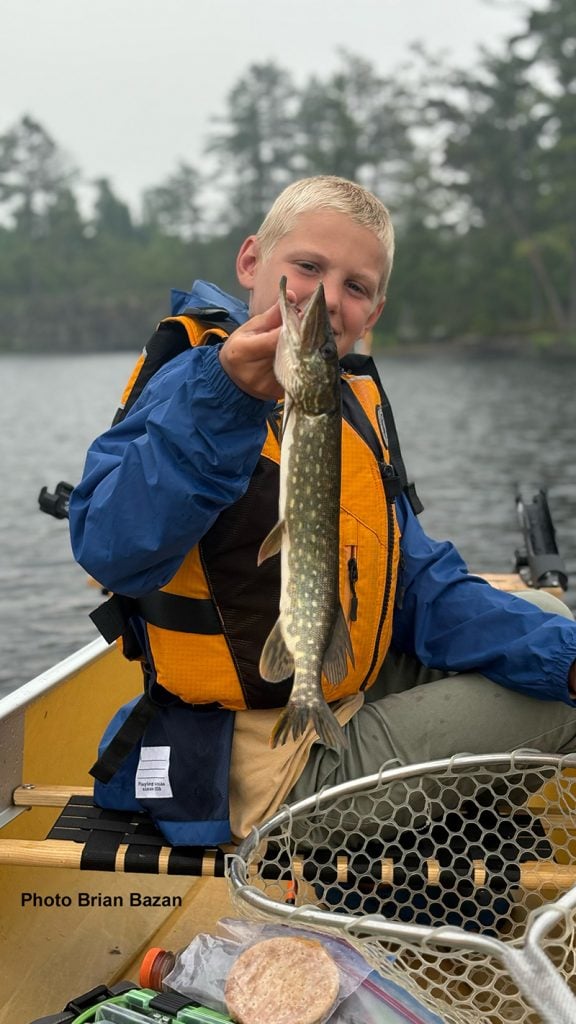
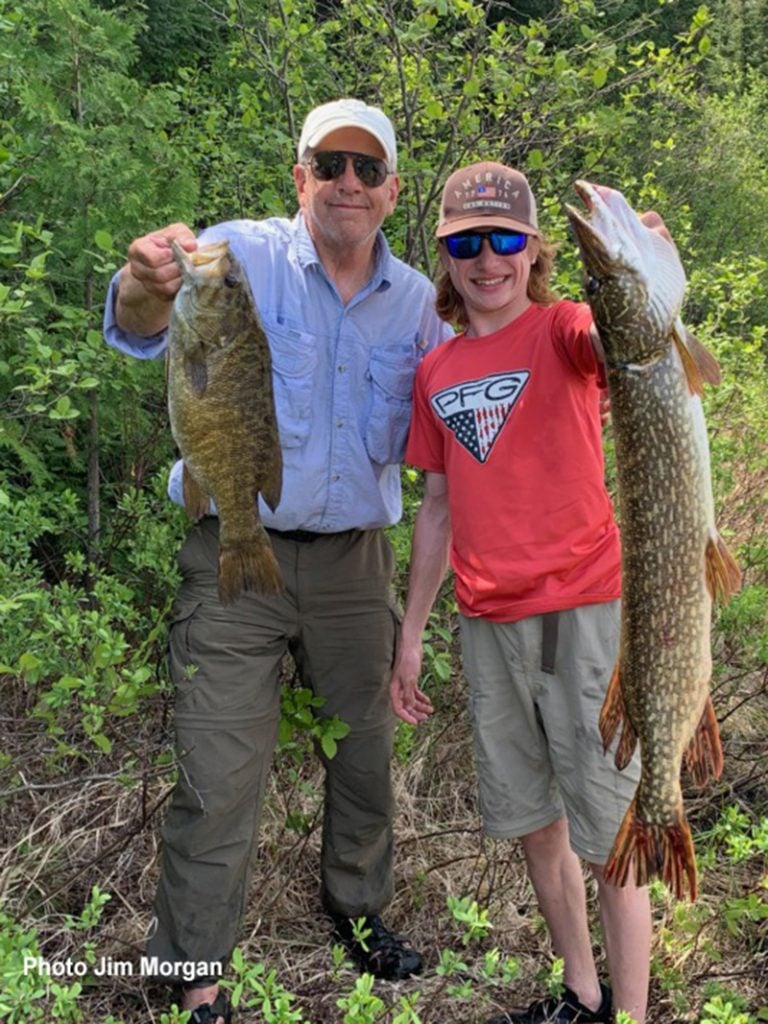
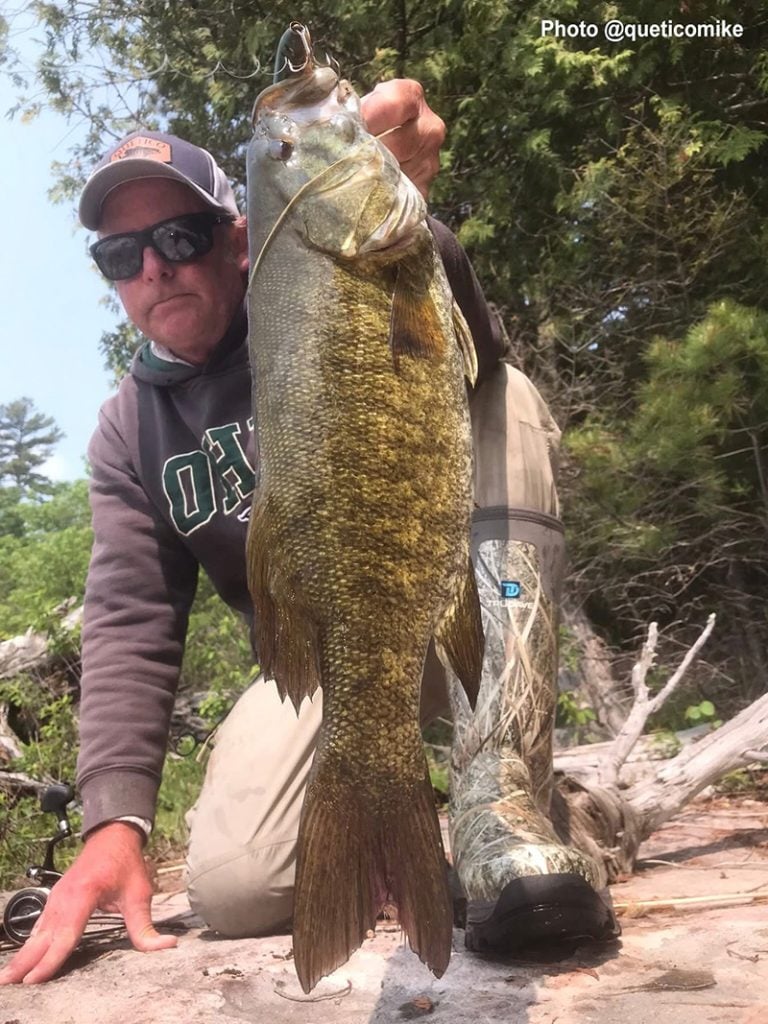
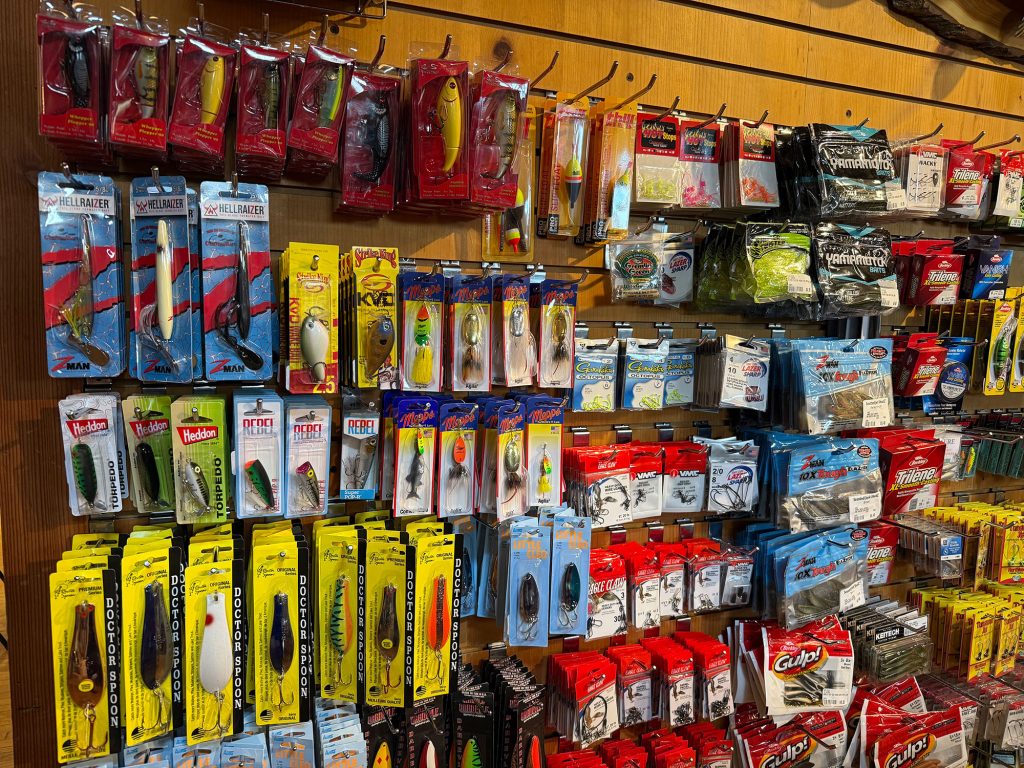
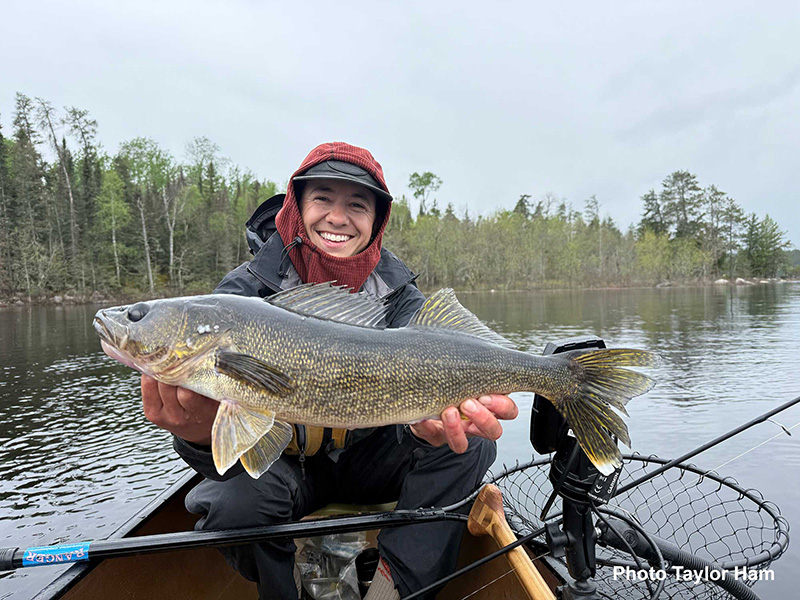
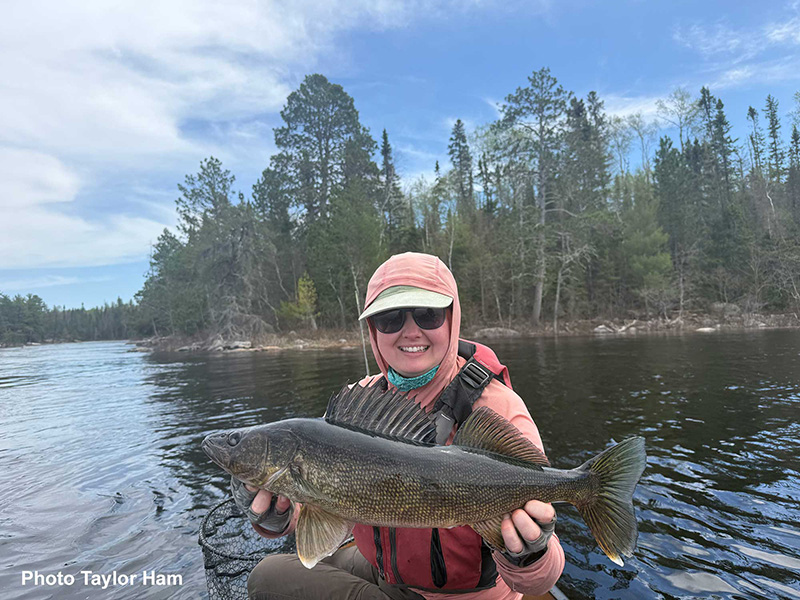
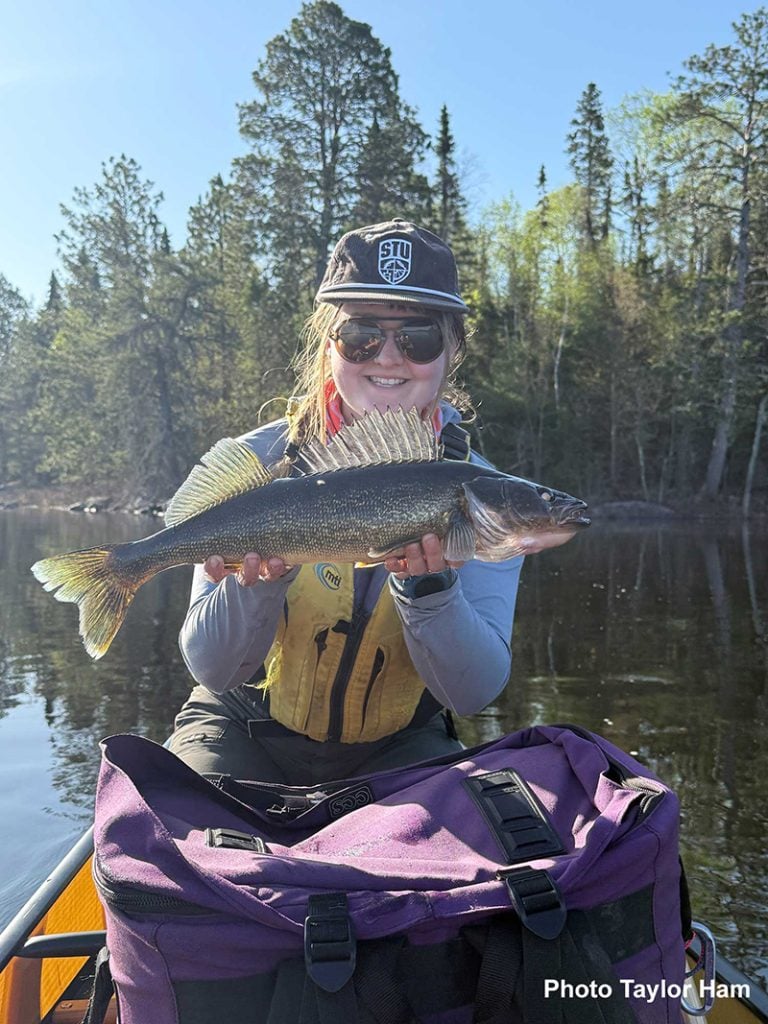
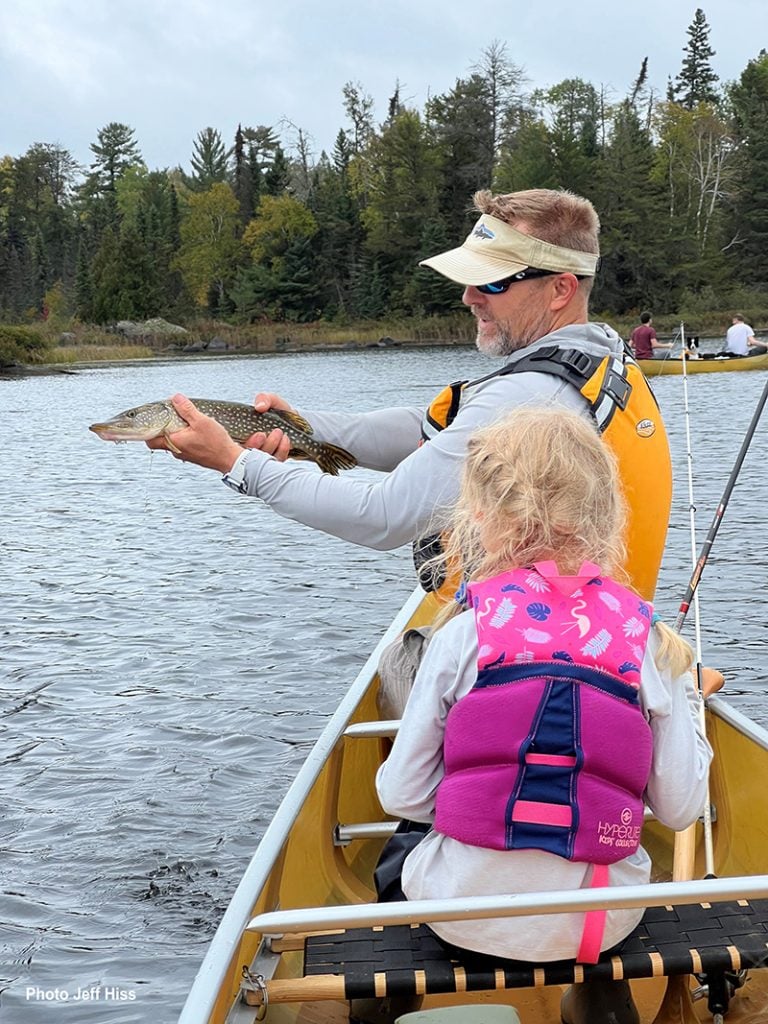
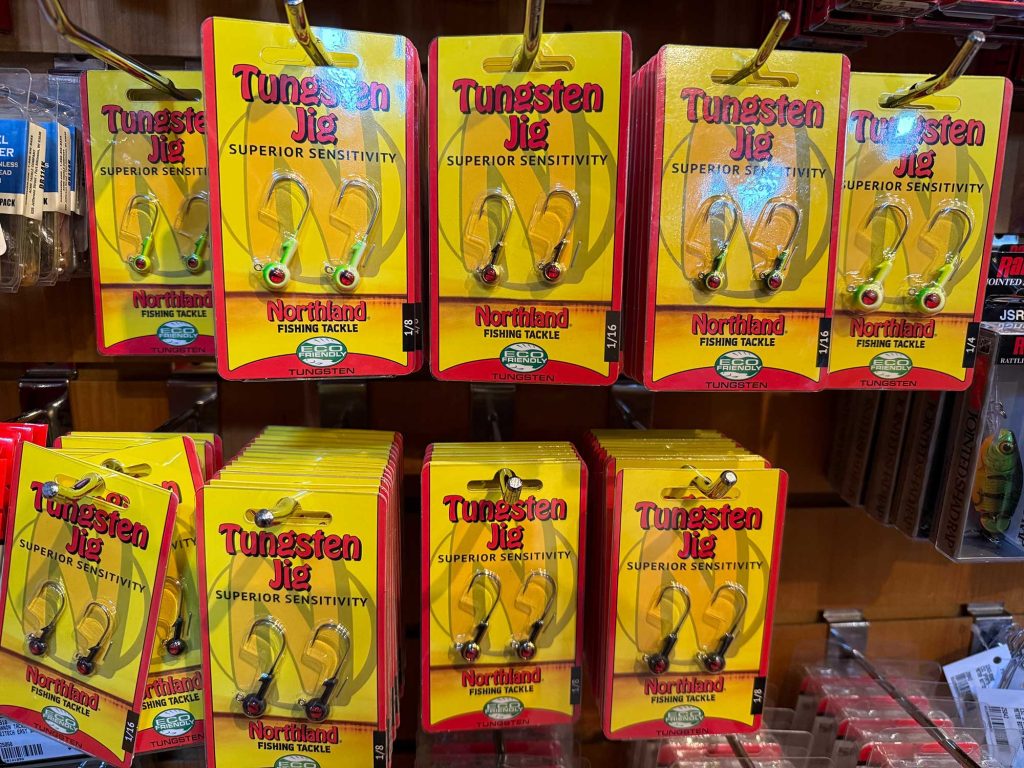
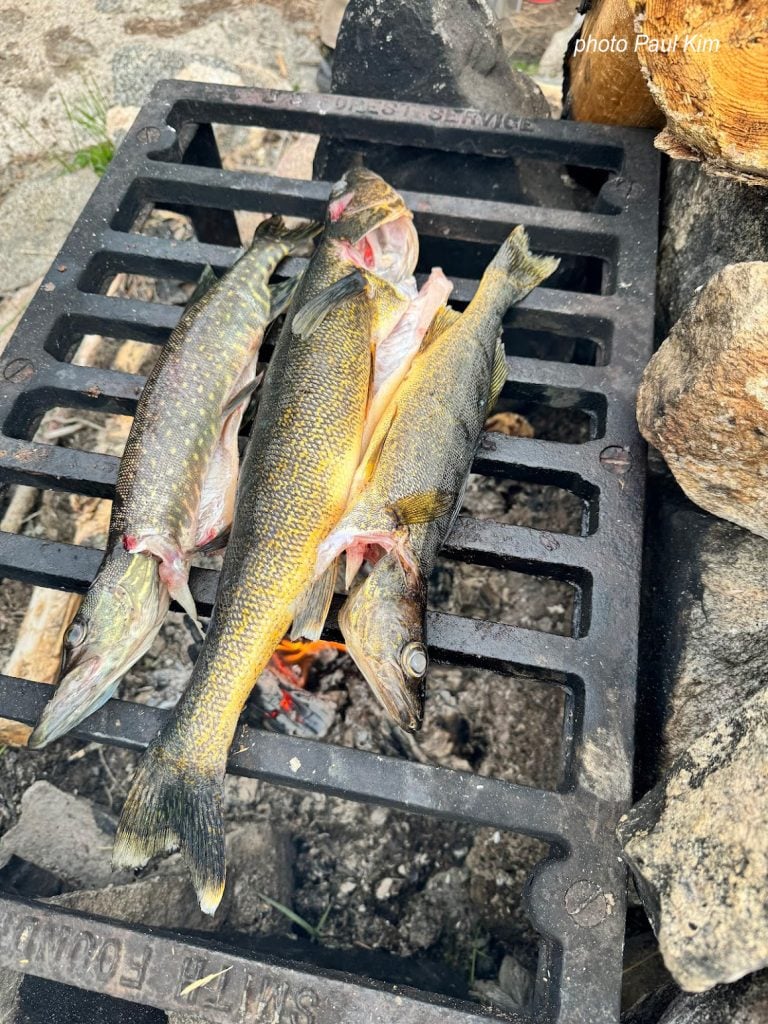
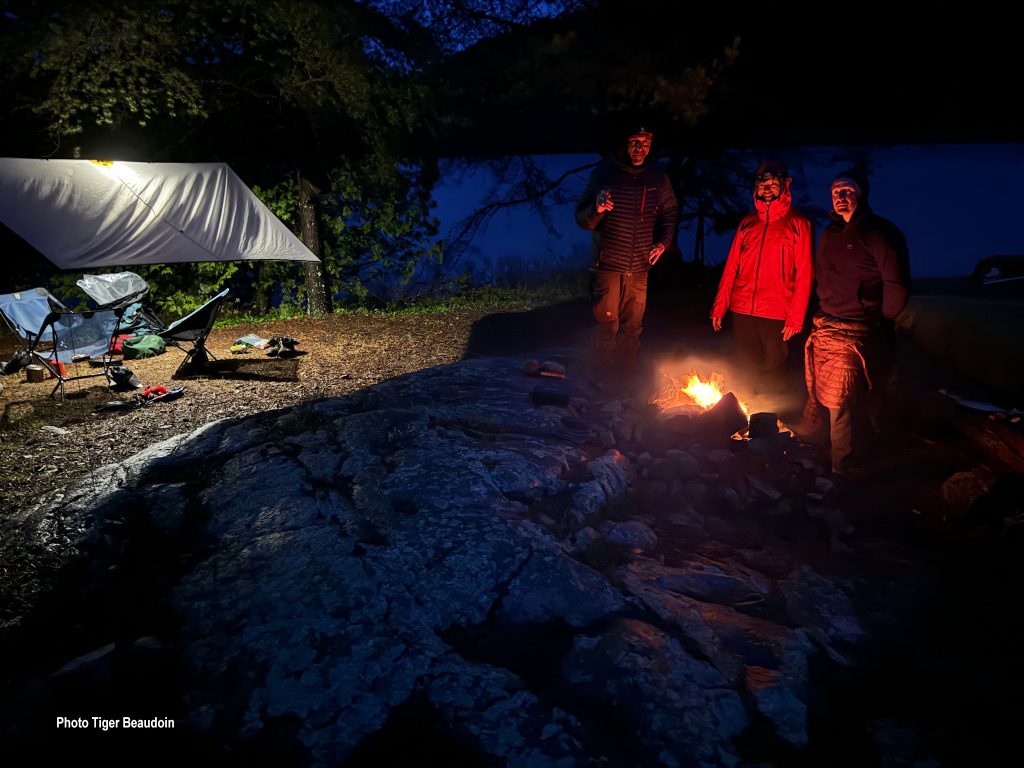
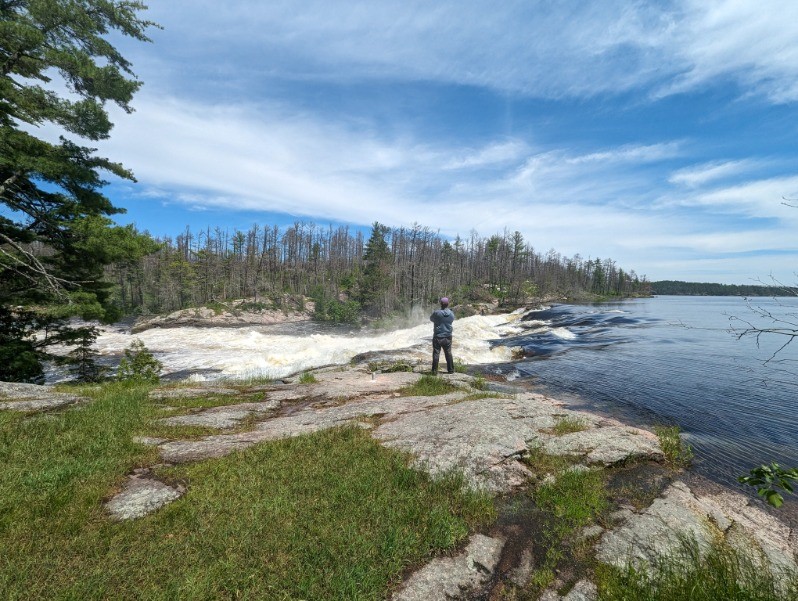
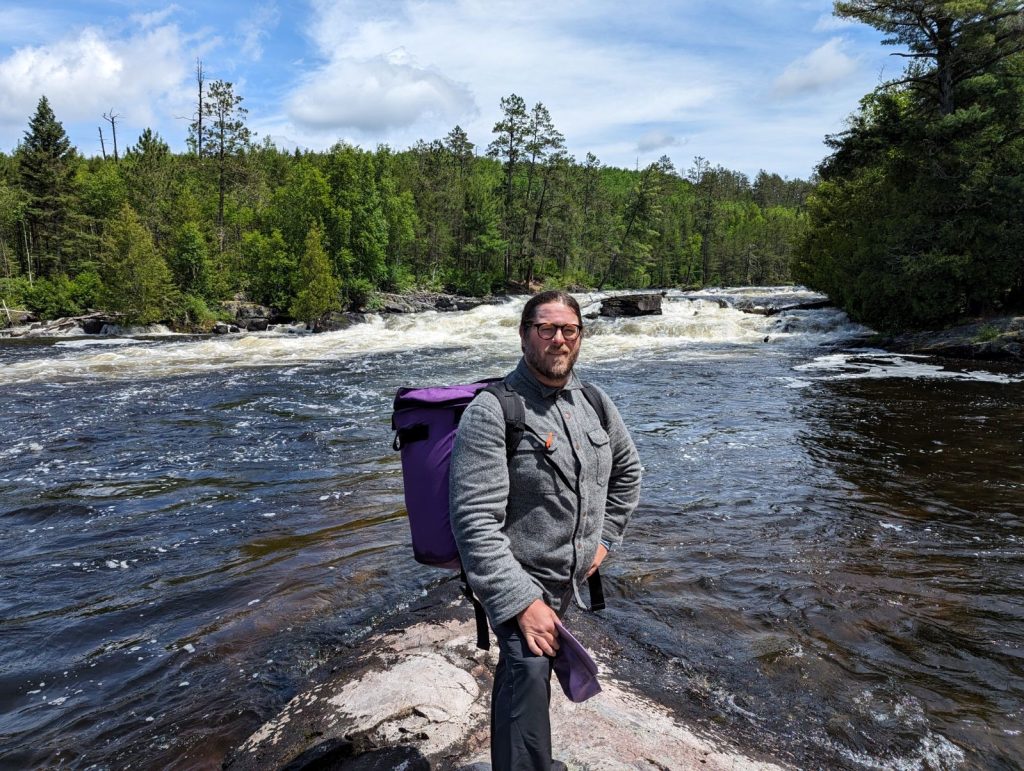
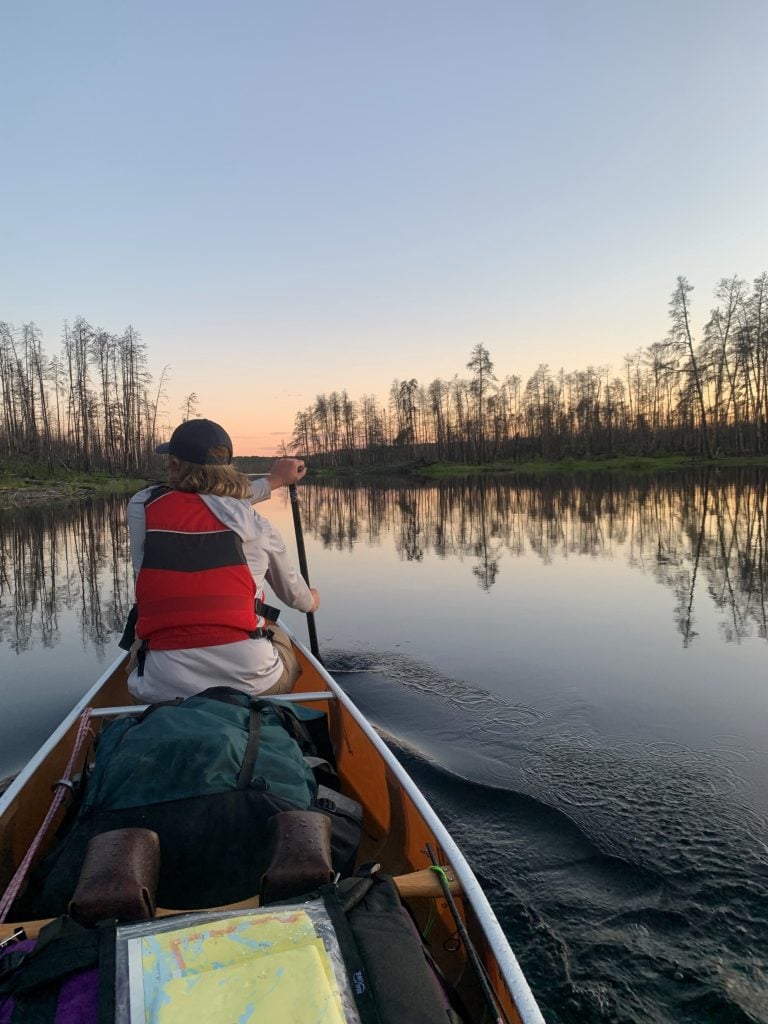
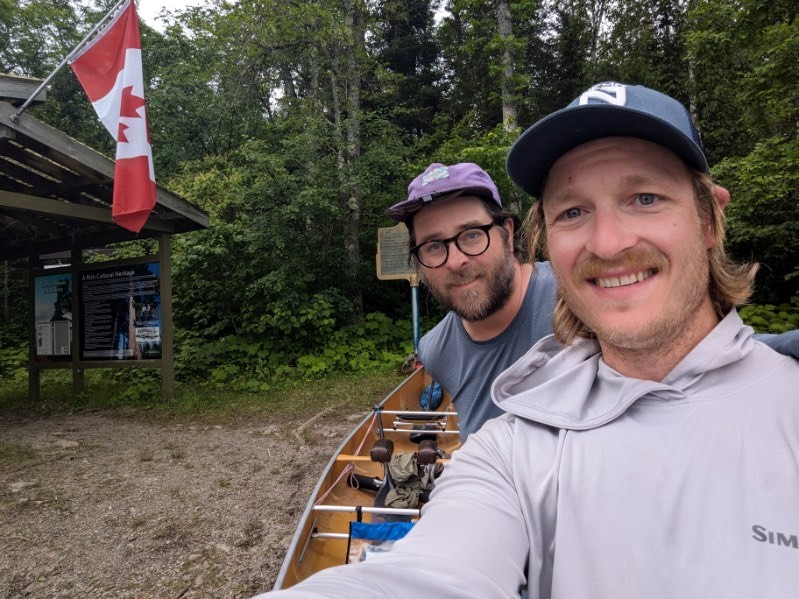
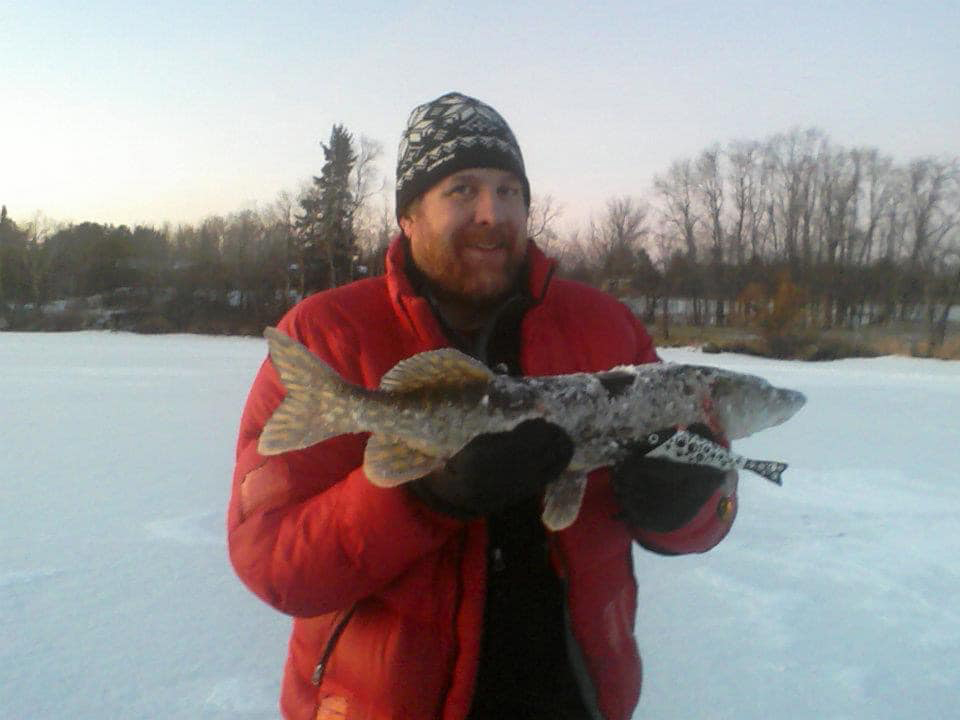
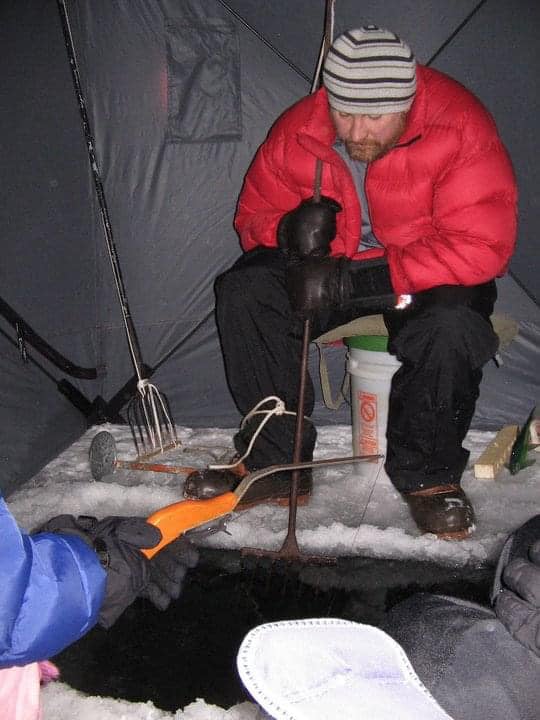
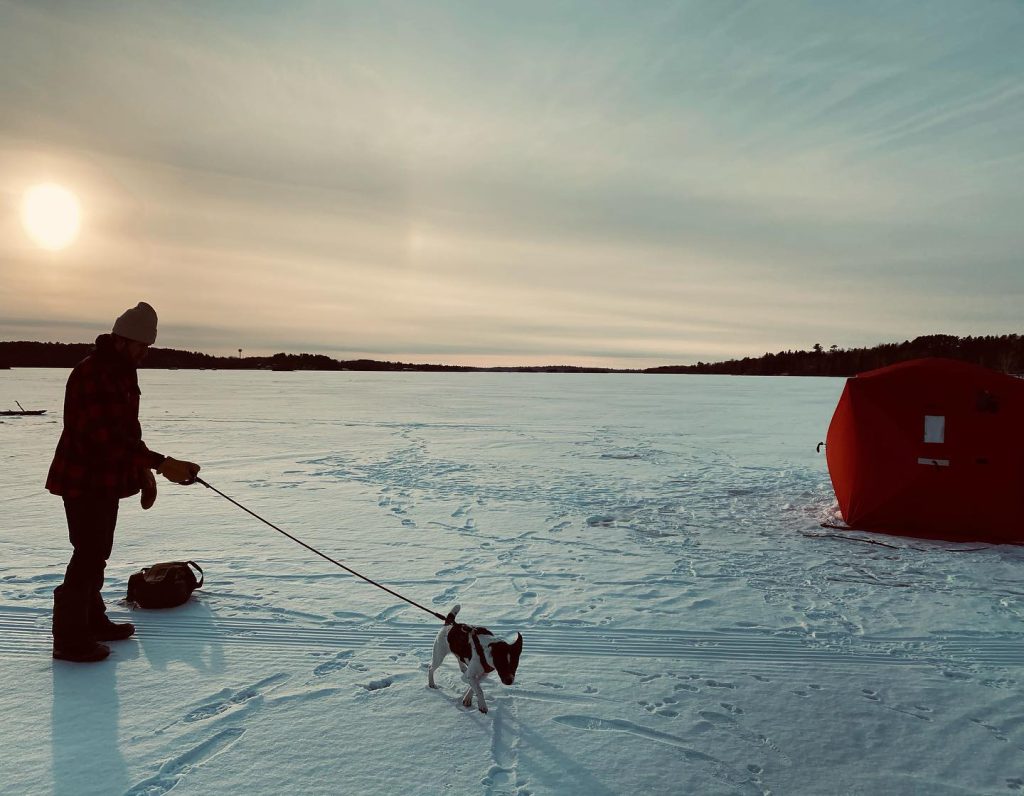
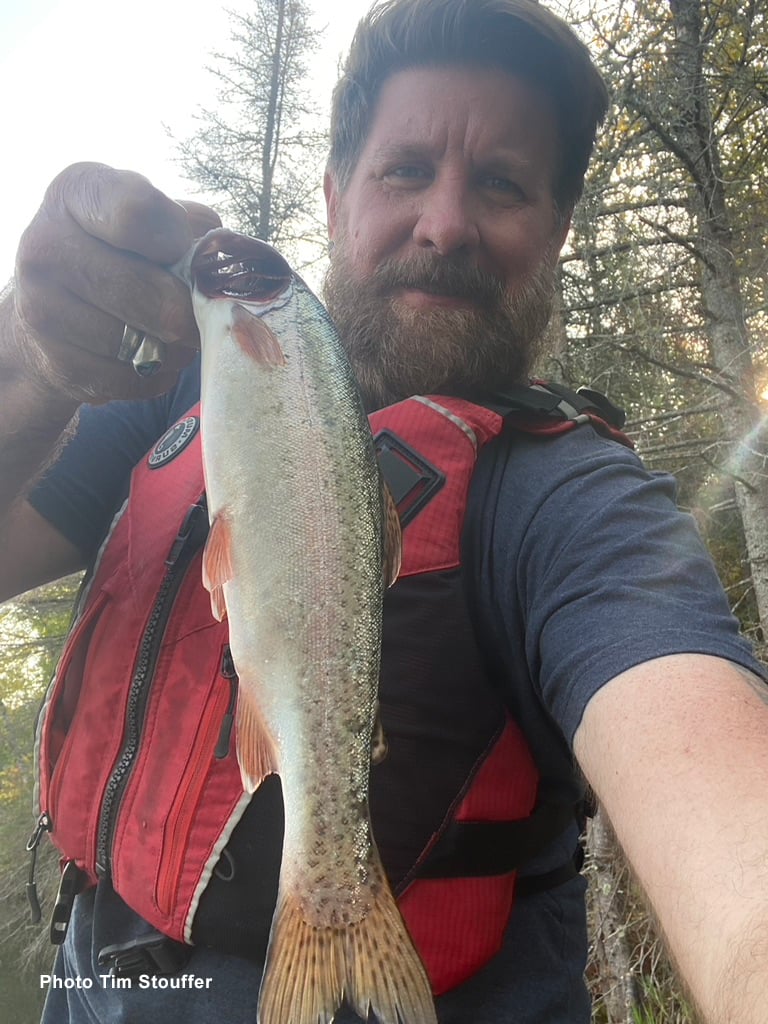
As you can see from the pictures below, we give you the routing advice, tackle advice and local knowledge about the best times and places to fish. If your Boundary Waters Canoe Trip is all about catching fish for fun or for meals, we do our best to help make that happen. We specialize in fully outfitted canoe trips, guided fishing expeditions, and discounted fishing tackle tailored for the Boundary Waters. Everyone of our Canoe Outfitting customers gets a 10% discount on gear and clothing in our retail store next door for your trip. That includes tackle that we’ve handpicked for Boundary Waters performance. We don’t have the largest tackle selection in town, but we have what you need to make your BWCAW canoe trip a successful catch rom smallmouth bass, walleye, northern pike, to lake trout, stream trout or panfish, we know where the fish are biting and when.
Why Choose Us?
Full-service Boundary Waters fishing outfitting
Fishing gear and tackle available at our Outfitting discount in our Retail Store in Ely, Minnesota
Expert trip planning and maps for the BWCAW
Local experienced guides available.
Customizable packages for solo anglers, families, and groups
Whether you’re launching from Moose Lake, Fall Lake, or heading deeper into the Boundary Waters or Quetico, our Ely MN fishing outfitter team will ensure your trip is safe, successful, and unforgettable. CLICK HERE FOR MORE INFORMATION
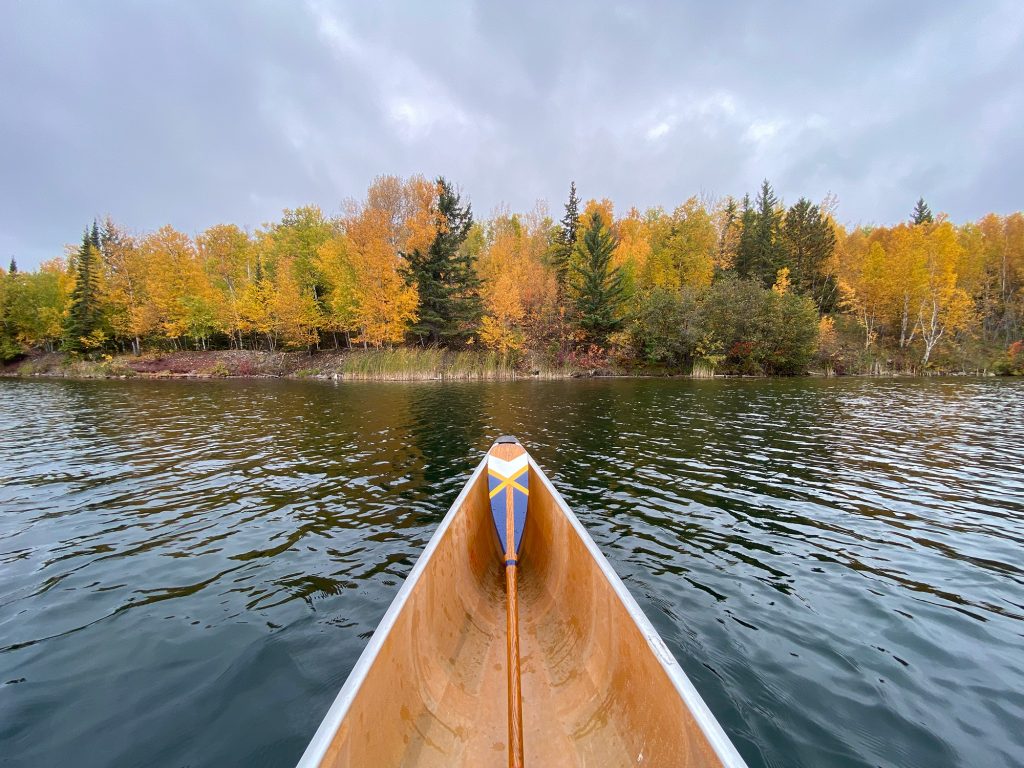
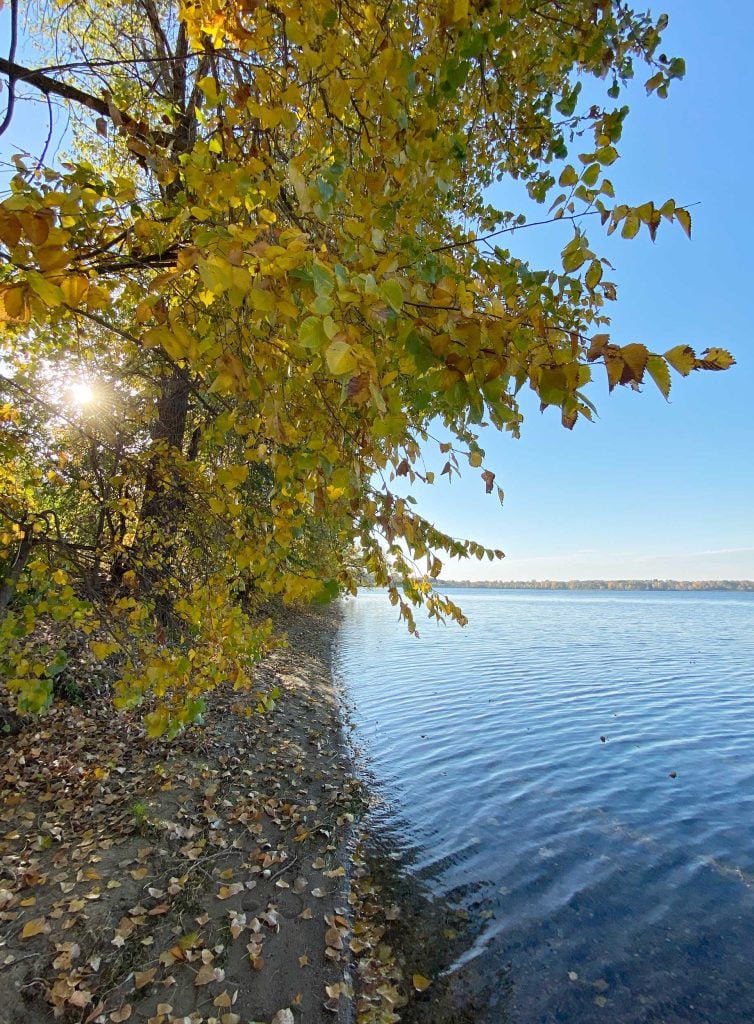
Here in northern Minnesota, Autumn changes from green to a dramatic palette of sumac red and tamarack yellow, aspen gold, maple crimson and every shade between yellow, orange and fuchsia complimented with white and red pine green. Blue sky above and blue waters below provide for reflections both on Summer’s adventurous spirit and the changes that are in the air. Wildlife is more active in the Fall. Everyone, from the smallest bird to the largest mammals are preparing in one way or another for the coming six months of Winter.
The portages are toothy trails, rusted brown with fallen needles, the first browned discarded leaves of the year cast aside like August memories. Fall is so short it seems up for drowning us with sensory overload. As we step into it, with the slightest crunch underfoot we discover how beautiful the Northwoods becomes after just a couple of cold-snap drops in the mercury.
Join us for the redwing blackbird’s song sifting out of the rushes, the cattail floss floating above the water. A moose track trailing down the beach, the echoing sound of loon calls and beaver tail slaps. The ghost like gray of the Great Blue Heron that silently slips over your shoulder like a kite you didn’t know you were flying… But, most of all, join us for colors that are exceptional, for colors that are, for lack of a better word, because it it so fitting: transformative. These leaves pull us with a magical, migratory force into the seasons of change.
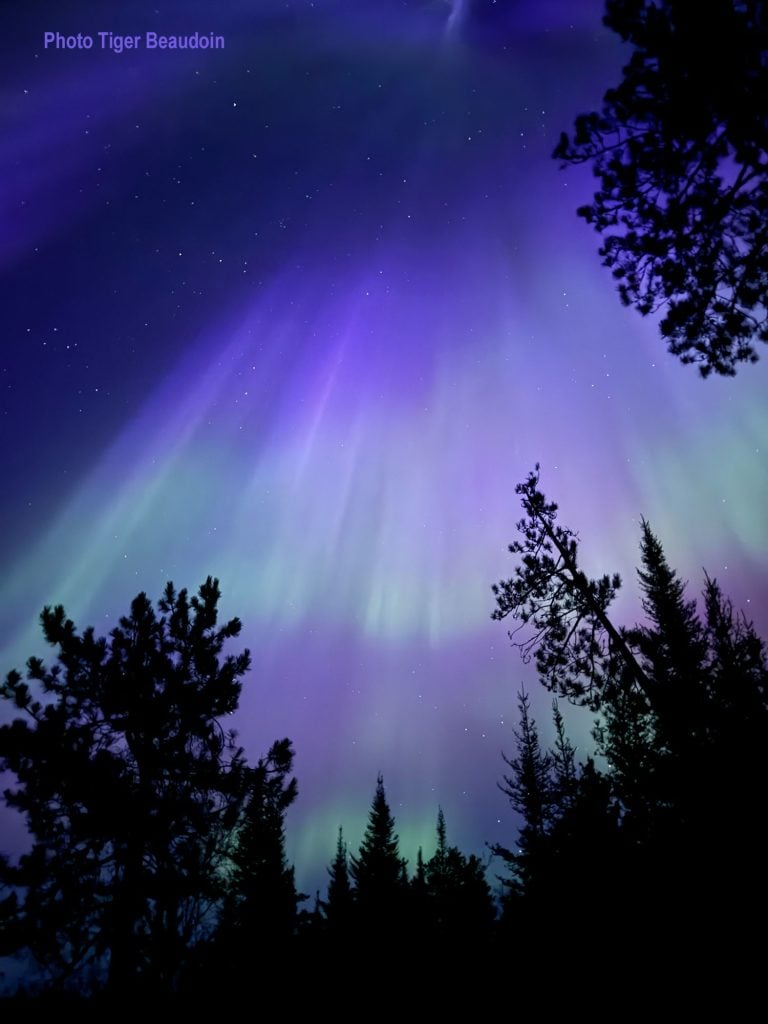
Great meals around the campfire, brisk dips in the lake, endless photo ops of Fall colors during the day and opportunities for Northern Lights and stargazing when darkness comes. Also, it’s a fantastic time for fishing and a great time of year to canoe camp in the Boundary Waters without bugs.
CALL US TODAY 1-800-223-6565 to book your place on this excellent Autumn Adventure:
Fall Colors and Wilderness Wildlife Guided Group Canoe Trip 2025 • Trip Dates: September 27 – October 3, 2025 • Trip Cost: $1,595 + tax • 6 days and 5 nights in the BWCAW. (9/28 – 10/3) • Nights of 9/27 and 10/3 in a hotel room in Ely included. • Full Outfitting Package • Guided by one of our exceptional and experienced wilderness guides. • Maximum of 8 guests on this trip. • Participants must be 16 years old or older. • Trip Activity Rating: 3.5 out of 5. This trip will likely include a couple of different campsites with some days of moderate travel and portaging. Participants must be prepared for varying types of weather and cooler conditions.
Join one of our popular Guided Group Trips to enjoy a canoe trip in the wilderness. Come with a friend or two… come by yourself. We make it easy for you. You get lodging, the Full Out Package, and a guide on the trip.
See the beauty of this area and meet new friends. Sign up soon as space is limited. The 2025 trips and dates are:
Waterfalls and Pictographs May 24-30
Smallmouth Fishing June 7-13
Women’s Wilderness #1 July 5-11
Women’s Wilderness #2 July 12-18 (FULL, waiting list only)
Quetico Adventure August 2-9 (FULL, waiting list only)
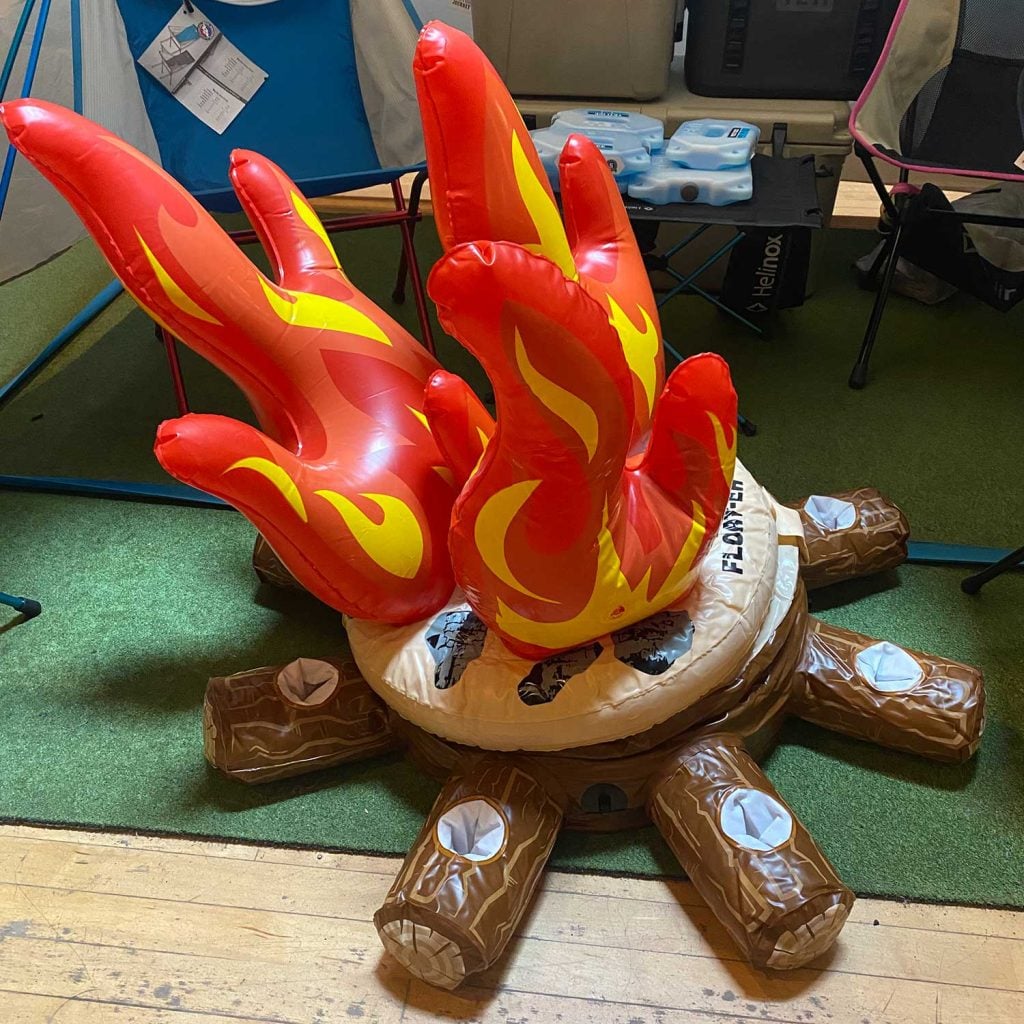
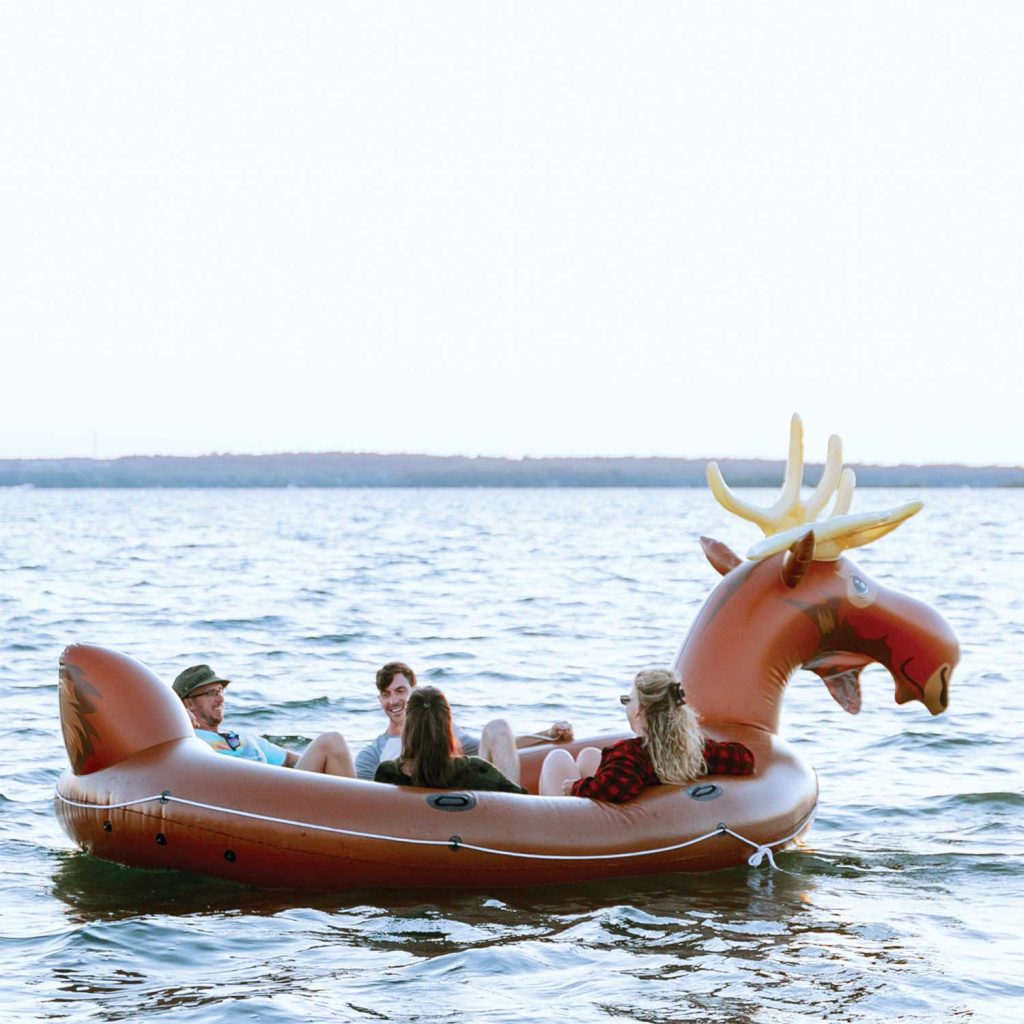
Drift away into summer with these spectacular Floaties. The best beach accessory we’ve found to date, that is sure to make a beach day not only a cool day, but a fun day. Leave your towel behind and find yourself tanning under the rays of the sun on the beautiful surface of the lake. These FLOAT-EH floaties are sure to create a world of fun on the lake. They’re great for sailing over the clear water by yourself or even with your friends.
Loon, Moose, Beaver, Raccoon, Plaid Donut and more summer fun floats from Float-eh and Piragis.
They are an excellent way to chill during summer, for the times you need a trusty steed to charge into a water battle with (think Party moose that holds six or racoon or beaver or our favorite the Loon) Perfect for moments of rest when you just need to drift across the water with the sun shining on you and your buffalo plaid donut. Make your summer vacation the best it can be with FLOAT-EH floaties, a Canadian company that shows that up here in the north we don’t only know how to make the best snow, but also the most durable and adorable floaties on the market and the water. Available online and in our retail store in Ely dontcha know. Cause YOU BETCHA everyone should have a Float EH!
Canoe camping is a different animal than car camping or r.v. camping or even tent camping at a state park. Your canoe camping menu is largely dictated by two factors. First is the amount of space in your canoe. Second is how heavy you want your food pack(s) to be. A third factor would of course be how long your trip is.
Fresh Food vs Dehydrated Meals
We like to supplement our dehydrated canoe camping menu with fresh food. This brings into play another factor, that of the obvious lack of refrigeration. You can freeze pre-cooked meals or meat like chicken and steak, etc. to use as cooling agents in your food pack. Some people employ the use of dry ice. I freeze par-boiled potatoes, tomato sauce for pasta, brats, hotdogs, chicken, steak, burger, etc. Depending on the time of year you go camping in the Boundary Waters, the temperature will be a big factor on how long your frozen items will take to thaw. Too much frozen food space will obviously add to weight of your pack and the time in which everything thaws. Four meat choices that must be cooked because they all thawed on day two is and example of a bad meal plan.
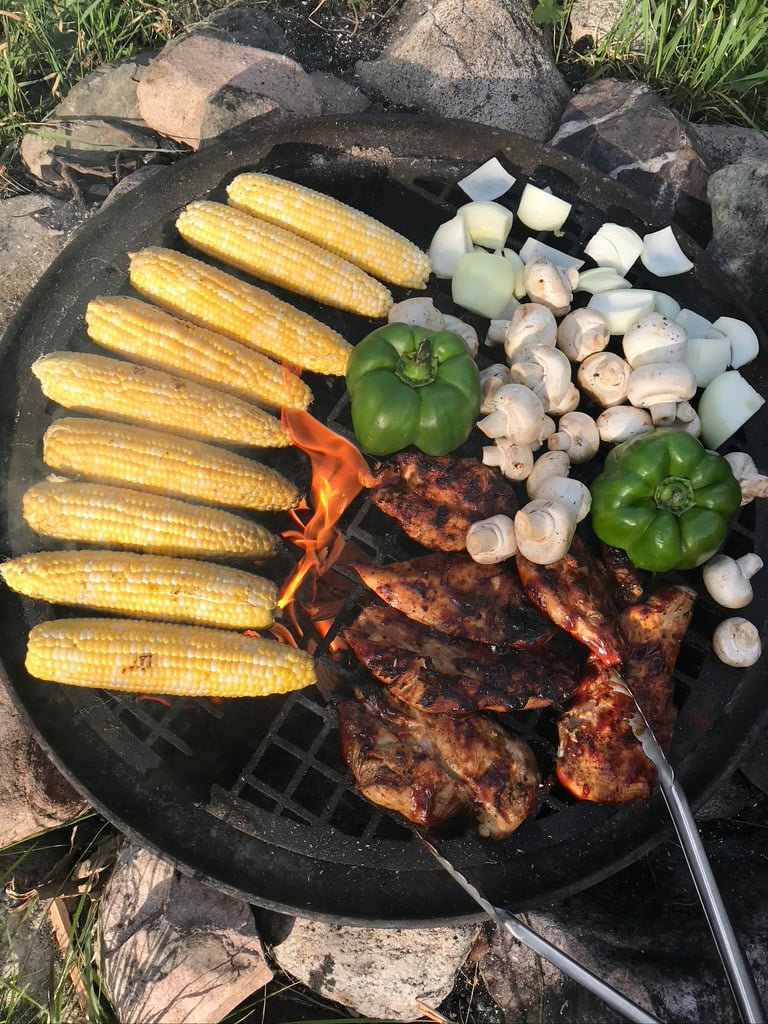
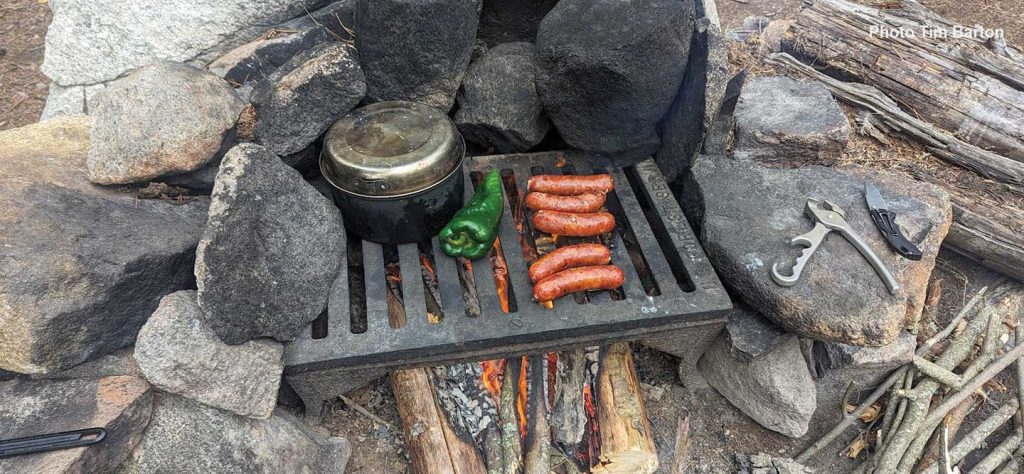
Yes, this is a pic of my grill at home in the backyard, but all of this can happen at your campsite. Just don’t forget the bbq sauce in the plastic bottle.
Vegetables that last
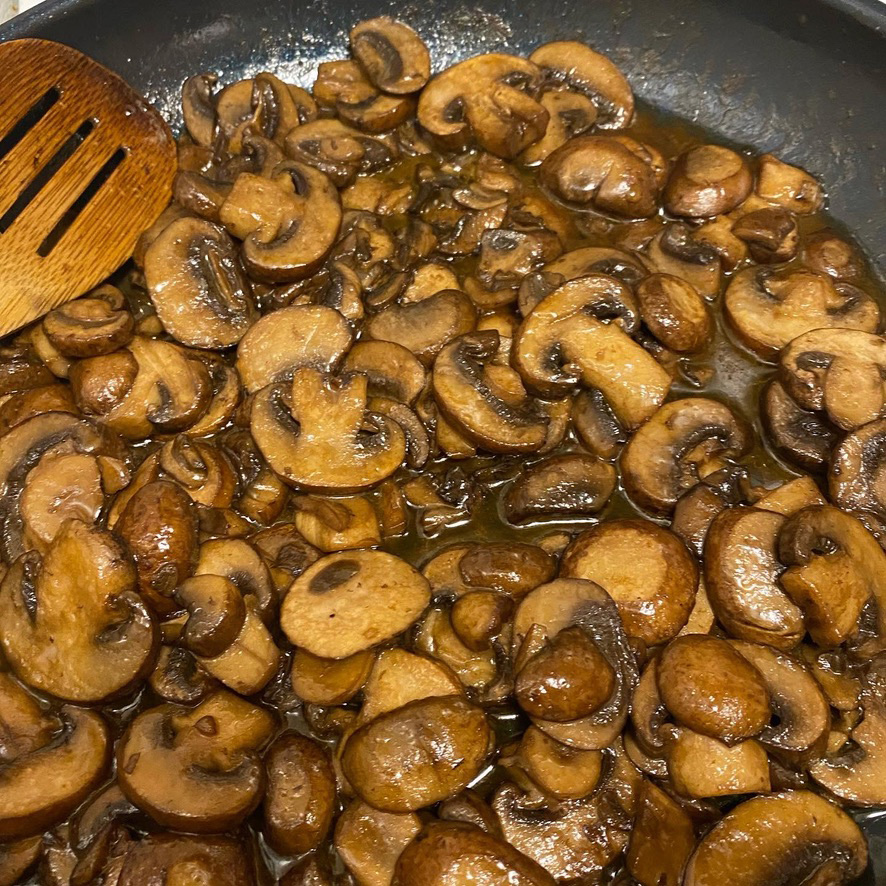
Veggies like Bell Peppers, corn, broccoli, onion, mushrooms and cheese will last several days in the wilderness without going bad. Oh, you caught me, cheese isn’t a vegetable, but it is a great complement to many dehydrated meals. So are the veggies. If space is a concern, along with weight, you can prep your veggies at home and dehydrate them yourself. The same is true with fruits like pineapple and banana. Or you can just as easily buy already pre-packed dried fruits. Today there are almost an endless amount of blueberries, strawberries, apples, nectarines, peaches, raspberries and more available. Some of these are also economically packaged as freeze dried, and these choice weigh next to nothing.
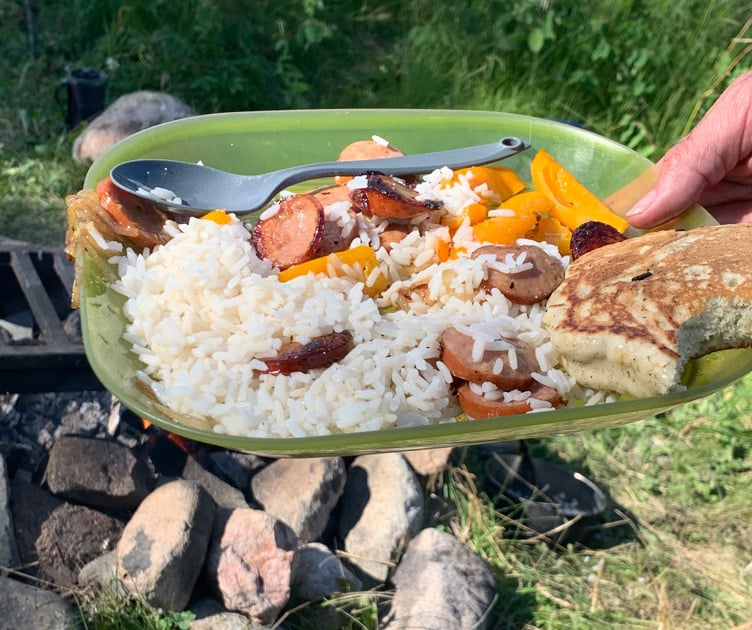
My family loves stir fry and that can be made easily while camping. Just pack the right spices and the heat.
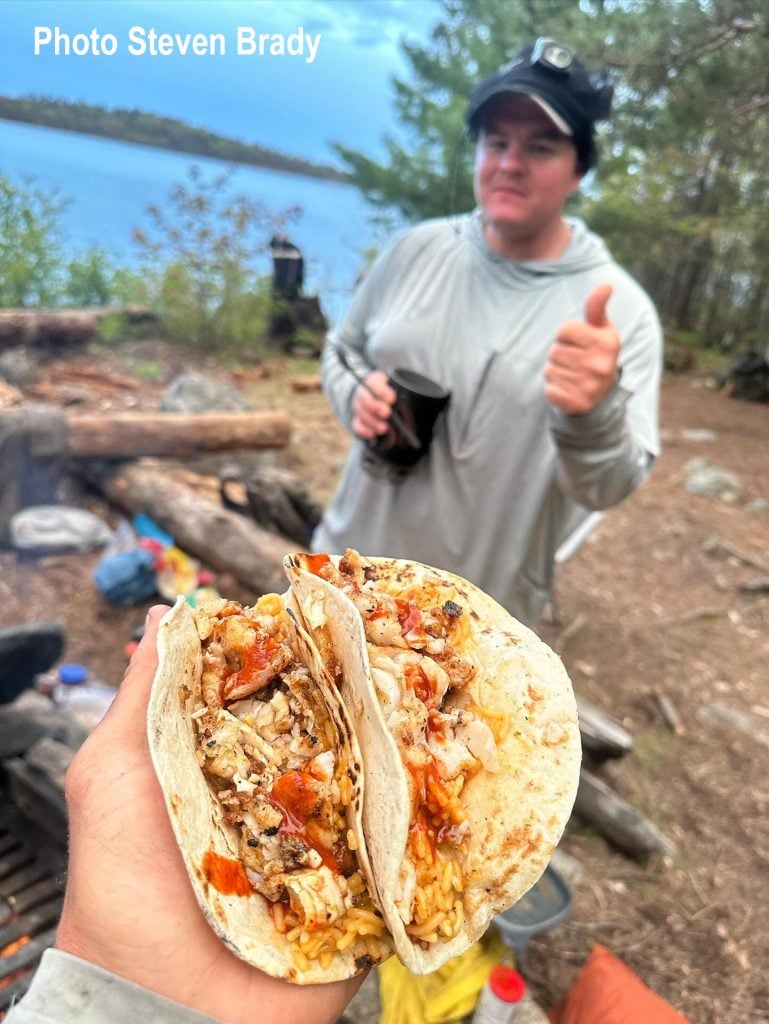
Breakfast Stir Fry is a great thing too. Plate it up or put it in a tortilla for a breakfast street taco meal. Great ways to fuel up and start your days!
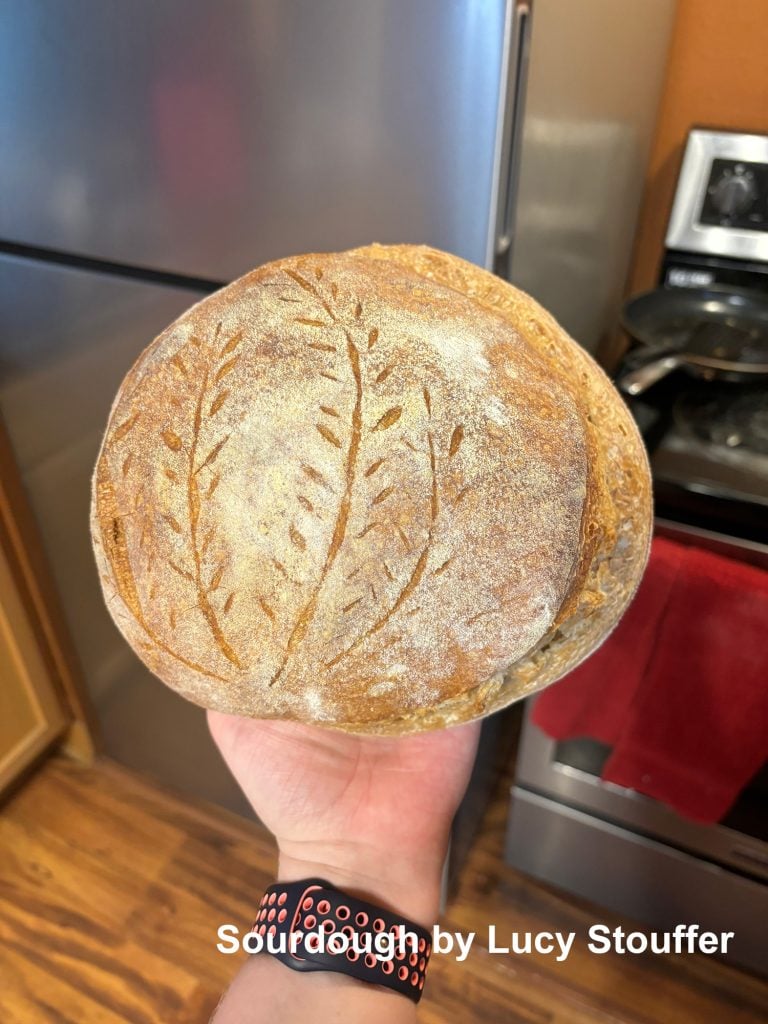
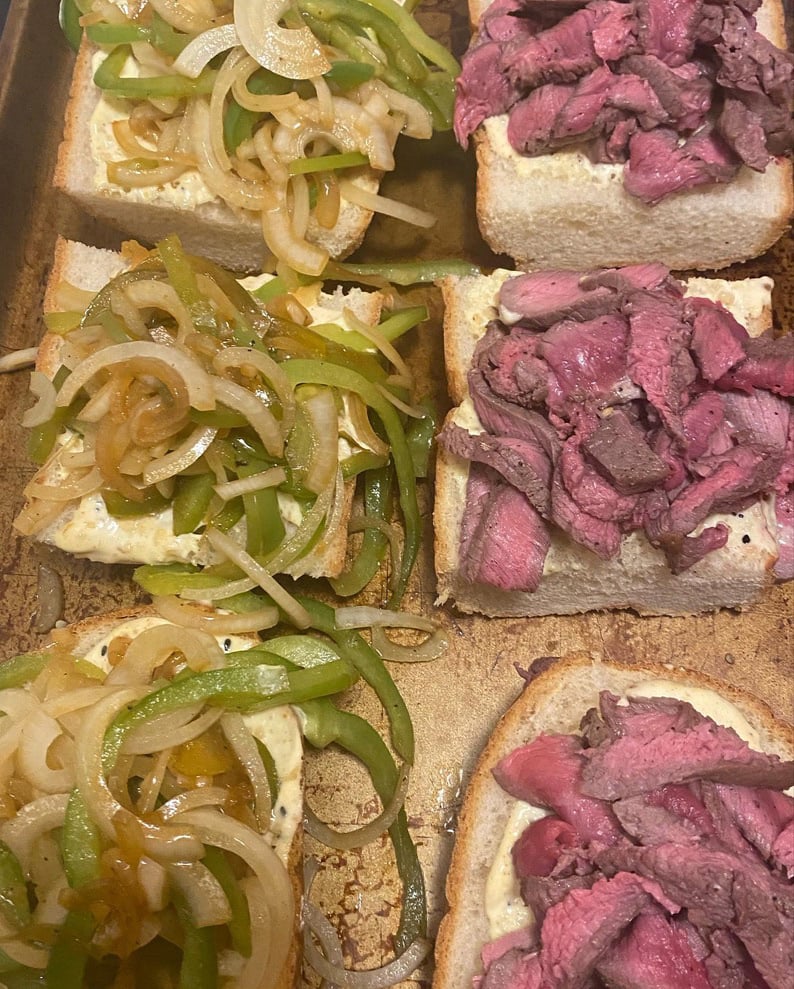
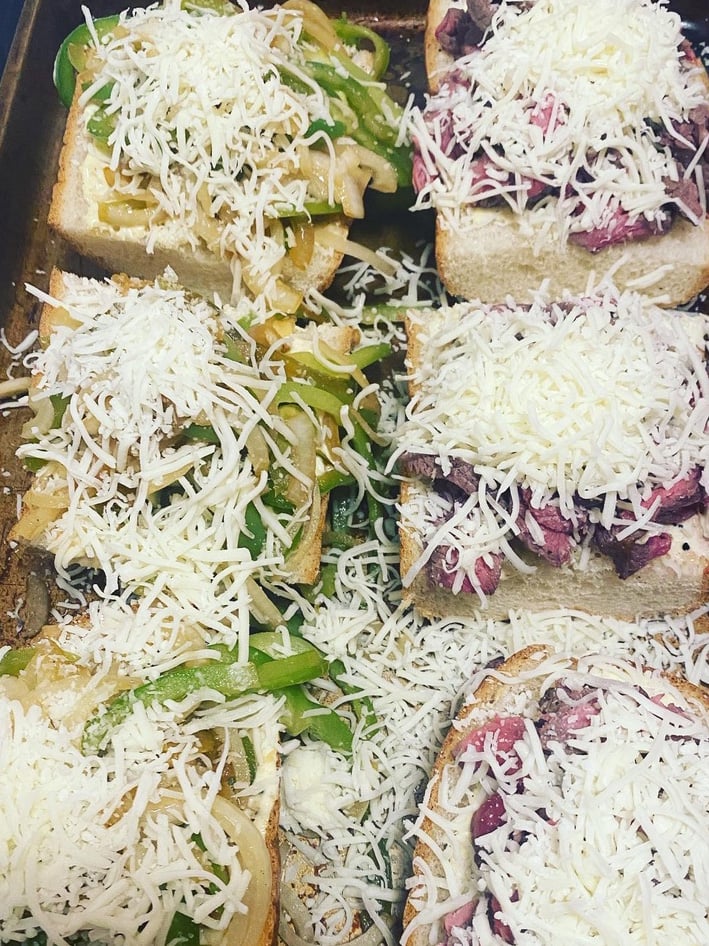
I come from a big line of bread makers and my wife and daughter carry on that tradition. If you love bread, you can splurge with with space in your canoe camping menu pack by bringing a sourdough loaf from home. Open faced grilled beef sandwiches are a great canoe camping menu crowd pleaser for night one or two. If you haven’t guessed, we like to eat well after burning energy by paddling and fishing all day. Also the campfire is a place of comradery and fun where memories are made. Why not enjoy your meals! If you don’t have or enjoy homemade bread bring a bunch of tortillas, you can make street tacos with almost everything.
Plan a few surprises
Dessert on the trail is a must. Gourmet gorp, specialized smores, a real baked chocolate volcano cake or brownies. It won’t matter if anything comes out looking great, it is how it tastes that matters. Bring a roll of aluminum foil. It will do wonders for other meals, like quick melting your quesadillas without burning the tortillas too.
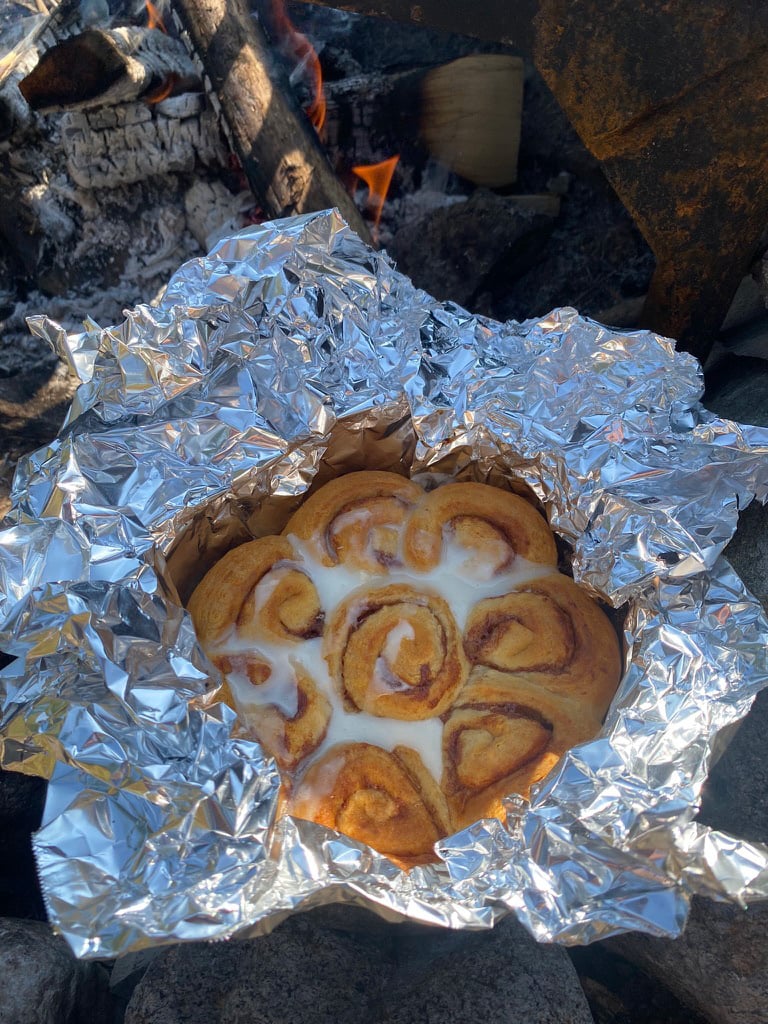
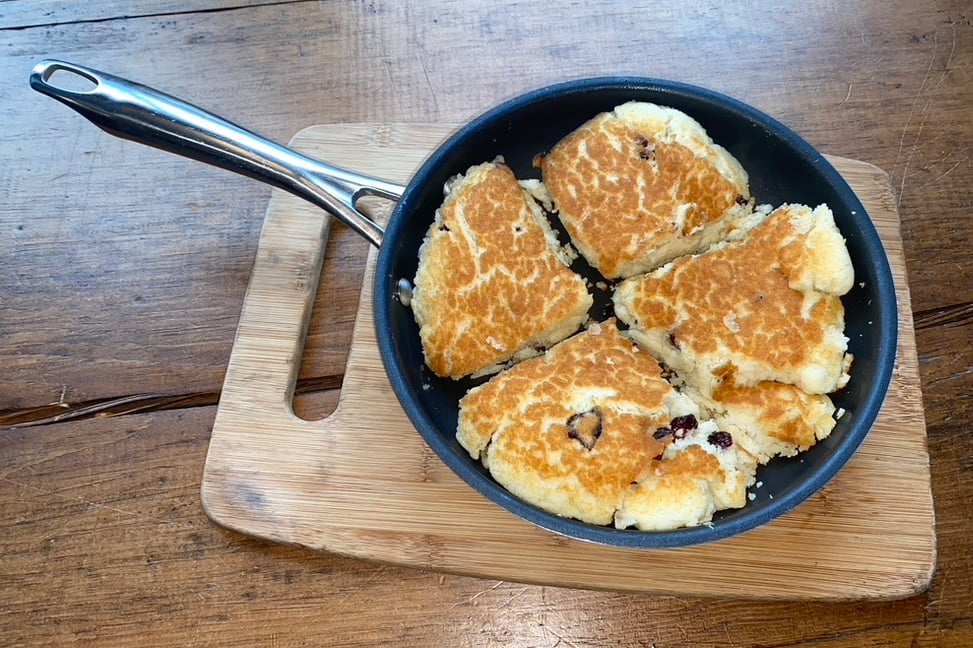
These cinnamon rolls were right off the shelf at the grocery store in the cardboard roll. They came with their own frosting pack and cooked easily in a cooking kit pot with foil. French press coffee and campfire bacon and fresh baked rolls… what a combo!
Fish of Course
If you enjoy catching and frying fish, try taking along some plain yellow mustard. You can use it for your brats or sausages too and rubbing your fish with it before your batter allows for better stick. It also gives the fish a great sweet kick. Pro-Tip: sprinkle in some spice like paprika or black pepper for an added kick to fried fillets.
Choose Great Tasting Canoe Camping Dehydrated Menu Options
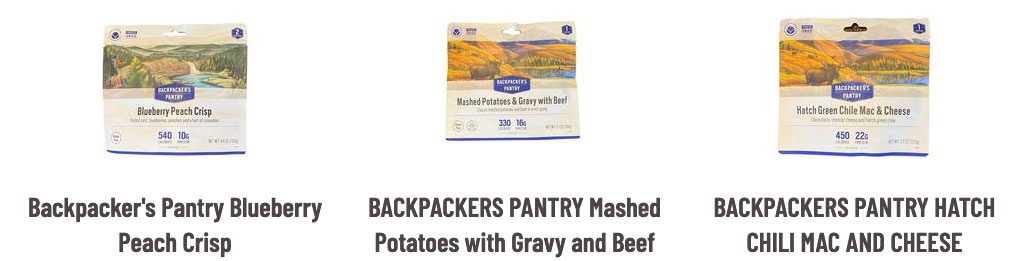
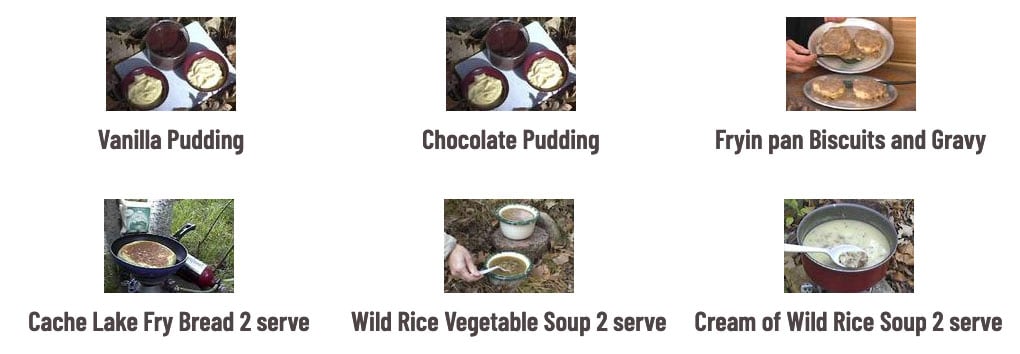
We stock a large variety of fantastic dehydrated canoe camping menu options. I will put just a few of those options here in a picture gallery with some links to purchase in our catalog. The best things about these are that we use them ourselves and our clients use many of them on canoe trips. Over the years, our outfitting department has worked hand and hand with our Food Buyer Amy to collaborate and choose the best of the best. Canoe Camping Food HERE!
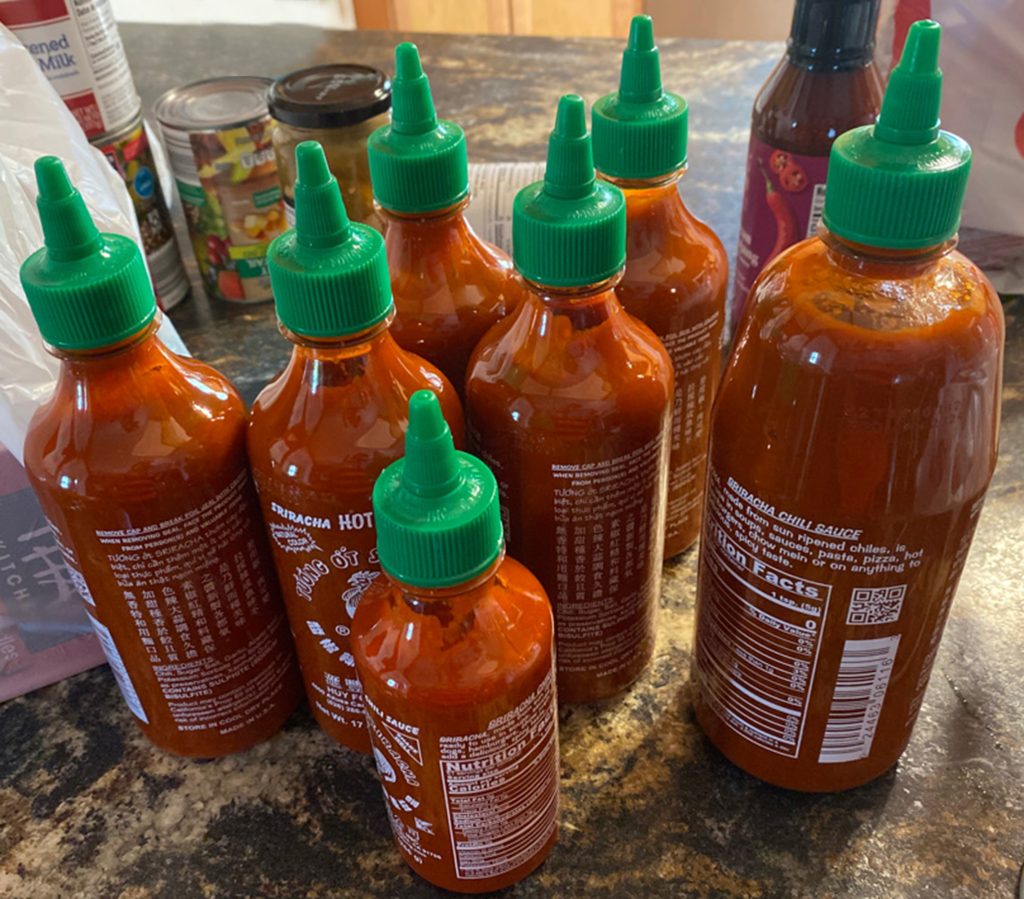
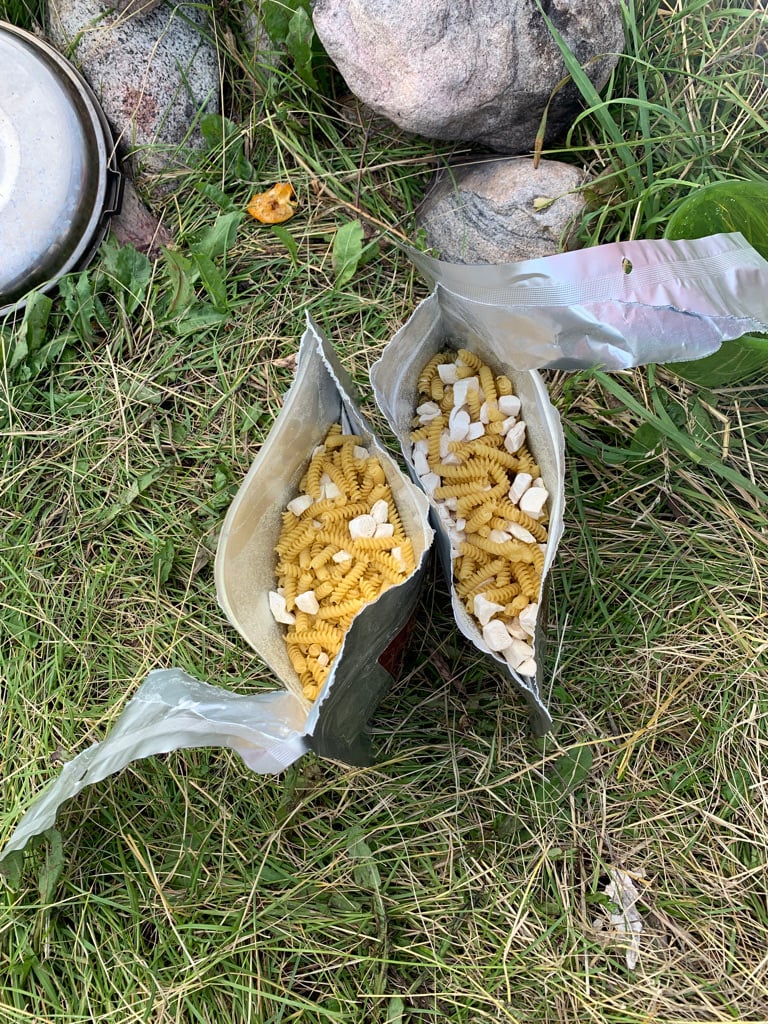
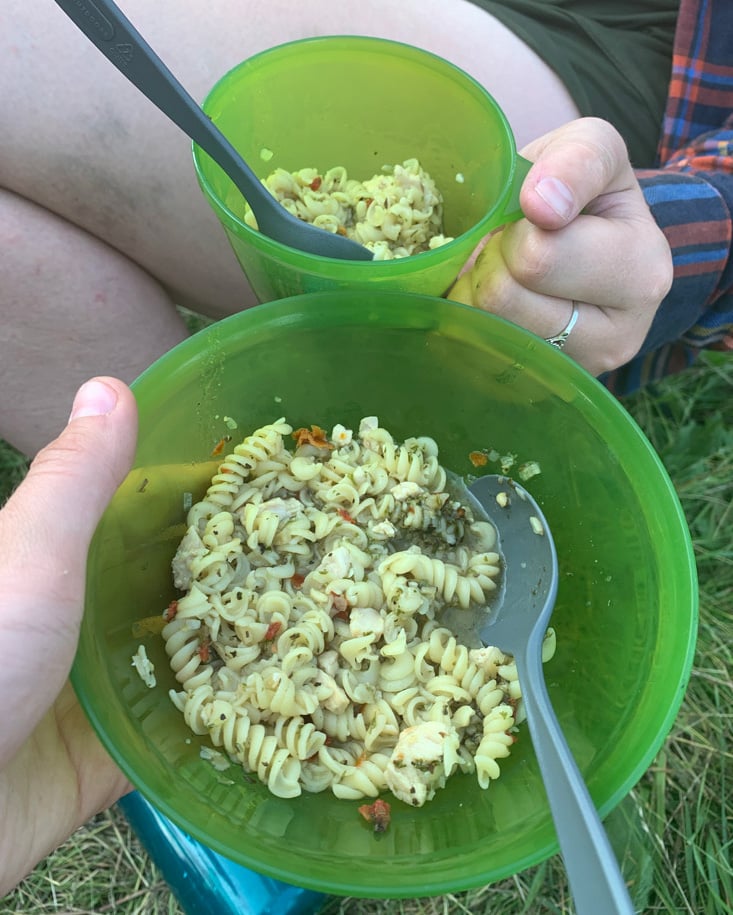
Of course, you can just pack along all your canoe camping menu items as dehydrated camp foods. Plenty of folks want their meals just to be fuel. They’ve got other activities like covering longer distances and exploring new lakes on their agenda. We get that. Sometimes that is our priority too. When all you have to do is add heat and water, life is easier. Pro Tip: don’t forget the squeezy butter and hot sauce.
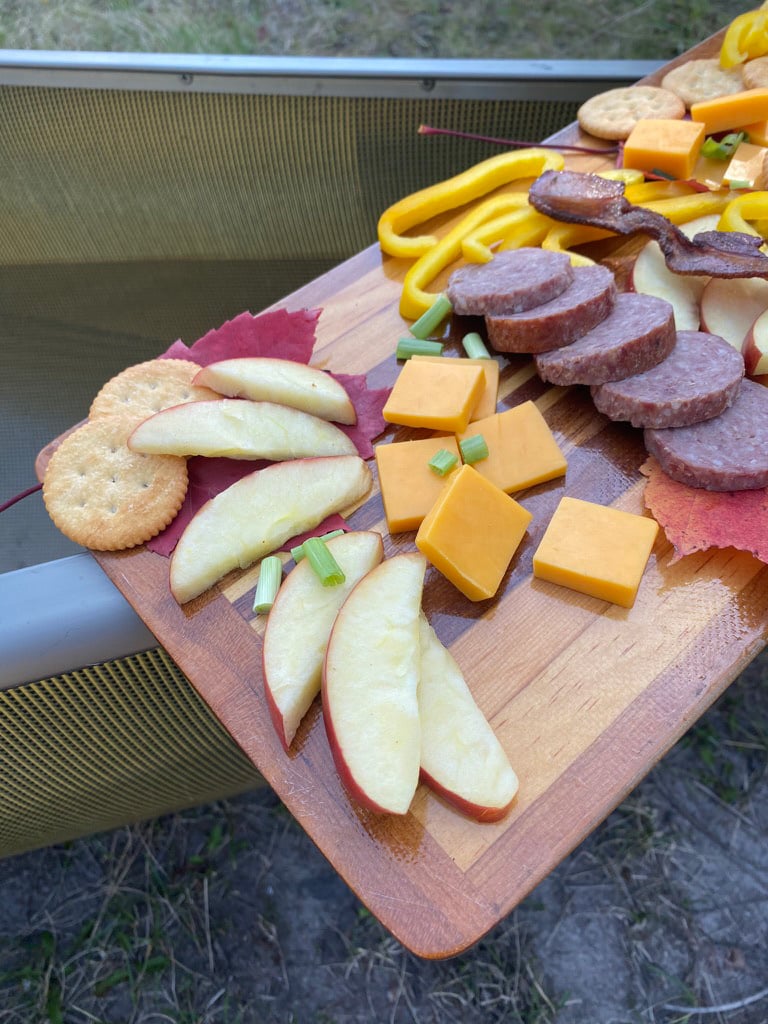
You can’t go wrong with prepared meats and cheeses. Accessories with crackers and any fruits and veggies you like!
What do you like to Bring?
Please participate in the ongoing conversation and comment below with your favorites. Pop Tart S’mores? Keebler Cookie Smores? Blueberry cobbler? Give us a shout out and thanks so much for reading. There’s nothing better than enjoying some good meals in the Great Northwoods! Boundary Waters here we come!
We won’t be exaggerating if we say the Boundary Waters Canoe Area Wilderness (BWCAW) is a paddler’s paradise. Think about countless lakes, whispering pines, and a feeling of being truly off the grid. It’s an adventure unlike any other.
But before you grab your paddles and head north, there are a few things to remember (especially for those of us who are traveling to Ely for the first time). Permits are required to enter the BWCAW, and there are some important rules to follow to protect this special place.
But there is nothing to worry about; this blog will be your guide.
We’ll walk you through everything you need to know about planning your BWCAW canoe trip, from permits and regulations to choosing the perfect route and packing the right gear.
So, grab your sense of adventure, and let’s get things rolling.
Permits and Reservations You Need to Know About
Securing an entry permit is the key to adventure in the Boundary Waters Canoe Area Wilderness (BWCAW). It’s not just a rule; it’s a way to protect this pristine wilderness for everyone.
To plan your entry, you need to reserve your spot. Permits are limited by date and entry point, so booking early is important. This ensures a less crowded experience and lets everyone enjoy the BWCAW’s tranquility. You can choose your entry point based on your group’s experience and goals -are you seeking peaceful seclusion, epic fishing spots, or challenging journeys?
Once you’ve secured your ideal entry point, here’s a quick rundown on fees and cancellations that you want to be mindful of:
Permit Costs: To secure your permit, you’ll pay a small reservation fee ($6) and a service fee ($8) totaling $14 (up to 9 people). You’ll also pay a user fee of $16 per adult and $8 per youth (17 and under) for your entire trip. These fees are due when you reserve. These fees are subject to change.
Need to change plans? You can cancel your permit up to two days before your trip and get most of your money back. However, a small reservation and processing fee will not be refunded. There are additional cancellation fees for guided group trips and guides. Call 1-800-223-6565 for more details.
By planning and understanding the permit system, you’ll be ready to set sail and explore the magic of the Boundary Waters.
How To Make the Best Out of Your Trip?
To truly make the most of your Boundary Waters adventure, consider the benefits of guided trips. Guided trips can be a game-changer, especially for first-timers or those looking to enhance their experience. With an expert guide leading the way, you’ll gain invaluable insights into the area’s history, wildlife, and hidden gems.
Whether you’re traveling with family, friends, or a group of like-minded adventurers, these trips are designed to create lasting memories. From shared campfire stories to team-building portages, the camaraderie and support within a group can make your journey even more enjoyable.
One of the best parts about guided trips is the flexibility they offer. You can choose from a variety of options tailored to your interests and schedule. Whether it’s a leisurely day trip exploring nearby lakes, a focused fishing trip aiming for the legendary Lake Trout, or an extended camping trip deep into the wilderness, there’s something for everyone.
This flexibility allows you to customize your adventure to match your group’s goals and experience level, ensuring a trip everyone will cherish.
BWCAW Rules and Regulations
When planning your Boundary Waters adventure, you must be familiar with and adhere to the rules and regulations designed to protect this pristine wilderness. When picking up your permit and rental canoes and gear, etc., you will be required to watch some Forest Service videos and the rules will be addressed by our Canoe Trip Outfitting crew. These are the highlights and some of the rules that set this pristine wilderness area apart.
Travel Permits
First and foremost, follow your permit requirements strictly. Your permit specifies your entry point and date; sticking to these details is crucial. If you exit the wilderness, your permit becomes invalid, so plan your trip accordingly to avoid re-entry issues.
Group Size
The BWCAW limits group size to a maximum of nine people and four watercraft. This regulation enhances the wilderness experience for all visitors and minimizes the environmental impact on this delicate ecosystem. Smaller groups help preserve tranquility and reduce wear and tear on natural resources. Groups are not allowed to come together for activities that increase these maximum group size numbers. Not on the water, at portage areas, in camp or other areas. (ie: a group of 9 and a permit group of 3 additional members need to remain separate at all times in the wilderness)
Toilet Facilities & Water Quality
Proper waste disposal is vital. Use designated latrines at campsites and never treat them as garbage cans. If you’re in a remote location without a latrine, dig a small hole 6 to 8 inches deep, at least 200 feet away from any water source, to bury waste. Always practice good hygiene by washing dishes and bathing at least 200 feet from lakes, rivers, and streams to keep the water pure.
More Unique Wilderness Rules
Containers
To protect the environment, cans and glass bottles are prohibited in the BWCAW. Use original containers for fuel, insect repellent, toiletries, or re-pack them in durable plastic containers. This reduces the risk of litter and contamination.
Campsites
Camp only at designated campsites equipped with fire grates and wilderness latrines. You can stay at one campsite for up to 14 consecutive days. All group members must camp together at one site. Practice good campsite etiquette by leaving no trace -pack out all trash and ensure your site is clean before you leave.
Campfires
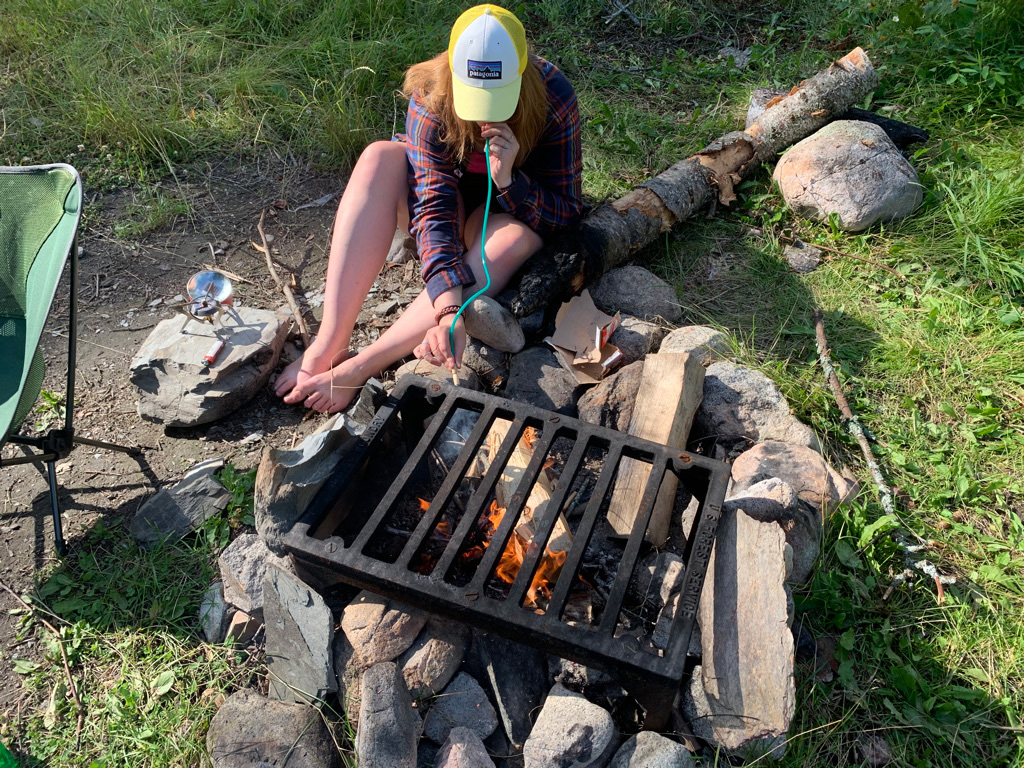
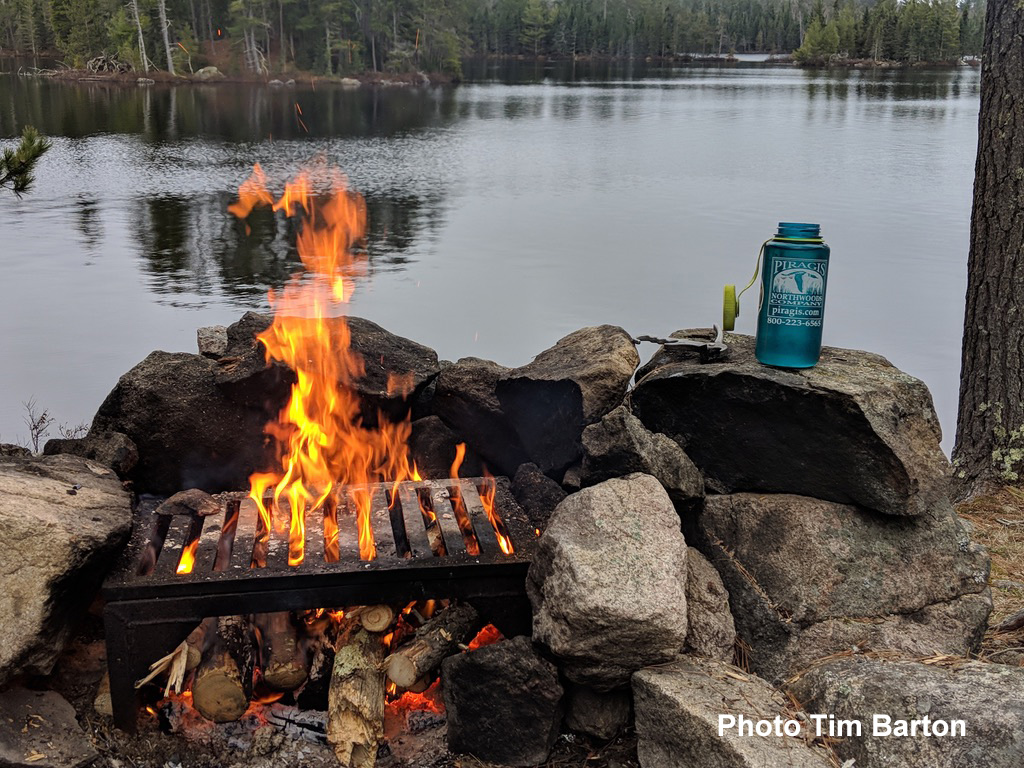
Campfires are allowed within designated fire grates unless there is a fire ban. During fire bans, use a camp stove, which is faster, has less environmental impact, and is convenient during rainy weather. When building a campfire, use only dead wood found on the ground and collect it away from campsites, portages, and shorelines. Always extinguish fires completely by drowning them with water and stirring the ashes until they are cold to the touch. Do not ever leave a campfire unattended.
What About Firearms and Dogs?
Firearms & Fireworks
Discharging firearms within 150 yards of campsites or occupied areas is prohibited, and all state game laws apply in the BWCAW. Fireworks are strictly prohibited to maintain safety and serenity.
Dogs in the BWCAW
Dogs must always be under control to prevent disturbances to wildlife and other visitors. Dispose of dog waste properly by burying it at least 150 feet away from water sources, campsites, and portages or by using a latrine.
Drones
Drones are not allowed in the BWCAW. This rule helps maintain the area’s natural tranquility and minimizes disturbances to wildlife and other visitors.
Leave No Trace Principles
Adhering to Leave No Trace principles is crucial for preserving the BWCAW for future generations. This means minimizing your impact on the environment, respecting wildlife, and ensuring that you leave the wilderness as beautiful as you found it.
Planning a Canoe Trip? Start Here.
Now that you’re familiar with the permits, rules, and regulations essential for a successful Boundary Waters adventure, you’re well on your way to planning an incredible trip. Remember, following these guidelines ensures that the BWCAW remains a pristine and enjoyable destination for everyone.
As you move forward, remember to explore responsibly and sustainably. Respecting nature and using Leave No Trace principles are key to preserving the BWCAW’s beauty.
We rent the lightest weight and most versatile canoes and canoe camping gear available today. It is new every year (we sell all our canoes and gear used for a season in October every year). It has been tested and tried on trips so that we know that it will make your experience on your trip great. We use what we rent and what we sell in the Boundary Waters Catalog.
Free Route Planning
There are no charges to help you plan your entry and route into the Boundary Waters. Our Outfitting Managers and staff love talking with clients about their canoe trips and planning routes depending on their interests. Fishing, wildlife, waterfalls, scenery (everywhere is beautiful) and even the Northern Lights are highlights that we can share. Sometimes for new visitors to the Boundary Waters Canoe Area a guide can be very advantageous and introduce you and/or your group to many tips and tricks for wilderness adventure success.
Looking for a more guided experience?We offer group canoe trips. We’ll handle the planning and show you the BWCAW’s highlights. Whether you’re traveling solo, with a partner, or with a group, these trips are a great way to experience the Boundary Waters. Spots fill up fast, so check our website or contact us for availability.
If you have any questions or need help getting started, feel free to contact Drew, Adam, or Tim Barton. We’re happy to assist you and make your Boundary Waters trip as smooth and enjoyable as possible.
The Advantages of Traveling in a Group
Traveling to the Boundary Waters Canoe Area Wilderness (BWCAW) with a larger group offers numerous perks that can enhance your overall experience. Here’s a quick look at the benefits:
Advantage
What it means for you
Shared Experiences
Exploring with friends, family, or like-minded adventurers creates lasting bonds and makes the journey enjoyable.
Potential Discounts
Special rates for larger groups can make the trip more affordable.
Ease of Travel
Sharing responsibilities simplifies tasks like setting up camp, cooking, and navigating.
Guided Group Canoe Trips
At Piragis Northwoods Company and the Boundary Waters Catalog, we handle all the planning, offering a hassle-free and enjoyable adventure.
When I moved up to Ely and started hanging out with serious paddlers, I heard rumblings of a “race” called Hunter’s Island, a 150 mile loop through some of the best parts of Quetico and BWCA wilderness areas, which comprise the two flowage routes of water moving away from Saganaga Lake to Lac La Croix, one north through Quetico park and one south along the border between the U.S. and Canada. It became clear that Hunter’s Island is the local testing ground for paddlers, where one can prove himself worthy in an outstanding challenge of grit and even see where he stacks up against the rest (time is an element of the race). It wasn’t long before I dedicated myself to preparing for a sincere attempt.
Late last year I reached out to one of the guys I have done a marathon paddle with, Zachary Sunne (I completed my first 50 miles in 24 hours paddle with Zach last summer). Zach is a thru hiker who has completed some serious hiking trails (3,000+ mile Central Divide Trail, among others), and an unflappable paddler. Zach was unsure if he was going to spend another summer in Ely, exploring the wilderness for a third year before starting a more permanent life elsewhere, but I aimed to entice him back with the prospect of a go at Hunter’s Island, and he obliged to be my bow paddler.
During my musings on this race, the route and what perils might lie in wait, there was no shortage of misgivings – would we be able to average 30 miles a day for 5 days regardless of conditions, would wind blow us off the big lakes to the point of taking us off our pace or obliterate our determination, would the Maligne river be too daunting a challenge with rapids and dangerous waterfall portage entries, could my body handle the seven miles of portages and long hours in the canoe, among others – but the first day of our trip provided a variable that I could not have foreseen. Before the trip, conditions were high, high enough for the Ontario Parks service to issue an alert stating that travelers should re-route around the Maligne River (a necessary portion of the Hunter’s Island route), as high water made the river too dangerous to navigate, a section that advises novices and groups with children to stay away from in normal conditions. I spoke to a fellow paddler in the area who had been on the river a week prior to our departure, and he assured me that while conditions were extreme, the river was not impossible or inherently dangerous for an experienced paddler. Then, one day into our trip, only 21 miles into the route, the skies opened while we were portaging off Swamp Lake onto Saganaga Lake and dropped four or more inches of rain on us in one night. Beyond stopping us well short of our daily goal and putting us well behind our average pace to start the trip, it filled the lakes with enough water to, unbeknownst to us at the time, wash roads away and trap BWCA travelers at entry points back in Ely, and more prescient to our situation, super-charging the Maligne River and Falls Chain of lakes. As I laid in camp that first night I obsessed over the prospect of a bloated river and the possibility of getting caught downstream at a point where we could neither continue our route for fear of capsizing above a deadly waterfall, nor turn back to fight an impossible current upstream. A couple of weeks before our departure I had helped a man, Erik Grams, whose brother, Reis Grams, had perished when they were swept over Curtain Falls – Curtain Falls was on our route – with advice on how to repair the heavily damaged canoe they had been in when they were carried over the falls. The danger was real in my mind’s eye no matter how much I tried to send it to the doldrums.
When we arrived at the start of the falls chain, north of Saganagons, the river was bloated, and as is the case with flood water in my experiences, some of the signs of high water were not apparent because the water had risen above all terrain, gulping up boulders and leaving no sign of white water approaching falls – it was one mass of water sucking through the start of the canyon into the falls chain, and a risky approach to the high water portage entrance (many river portages have two entrances, one for high water, one for low water conditions) was a clear indication of extreme conditions. Flood water has the unique appearance of harmless water trickling over a prominent point sunk below the water which betrays its unreal strength. We were forced to skirt around a point before the approach where I felt the stern of the canoe being pulled downstream, much closer to the suction of the falls than I was comfortable with.
The portages on the entire Falls Chain of lakes and river were rugged with tricky approaches similar to the aforementioned, and during these conditions there were mini-rapids running down some of the portages, forcing Zach (Zach portaged the canoe, in addition to the lighter – 50 lbs. versus 80 lbs. – of our two packs, for 80% of the portages, while I took the heavy pack) to hand the canoe across sections of the flooded trail to me, but we work well as a team and were able to single portage without much delay, though the portages were grueling.
Zach and I stopped at the first site on Kawnipi Lake after departing the falls chain, greeted by an old Bell canoe that had been torn to shreds in the falls chain and discarded at the site below – a testament to the destructive capacity of water flowing from one massive body of water into another.
We stayed at the campsite for 2 hours, most of the time I laid prone on top of cedar pine needles trying to give my hip flexors and tight glute muscles a brief rest. Back on the water we paddled down my favorite lake, Kawnipi, all afternoon into the evening. The wind came down for us and we finished our day’s paddle gliding over glassy water through the freshly burned western edge of Kawnipi in the twilight, again having to maneuver around high moving water, elusive in the low light, once portaging through a game of pickup sticks comprised of massive fallen pine trees, a great place to break a leg, and then running some rapids onto Shelley Lake, where we set up camp in the dark and slept for a few hours on an island.
At sunrise on day three we hit the water and paddled through the Poet’s Chain, Keats was my favorite lake in the series. We took the hardest portage of the trip to go from Russell Lake, gaining and losing serious elevation, to Sturgeon. This portage included a direct decent where one would expect to find switchbacks to alleviate the sharp angle of decline, where running water carved a chute into the muddy path.
The paddle across sturgeon was nice, with low winds at our back. We took a short break on “Vidmar’s Point” at the southern end of the lake, a point lined by tall red pines that is slowly moving from one end of the lake to the other as winds push sand up on one side and erodes the shore on the other – this might be my favorite campsite in all the Boundary Waters or Quetico. My dear friend Thomas Vidmar told me I had to stop there on my trip, and I was happy to oblige and again lay prone for thirty minutes to rest among the Red Pines – no better place for a nap than a sandy bit of land under red pines. As Viddy would say, “That’s a five out of five stars campsite, Daddy.”
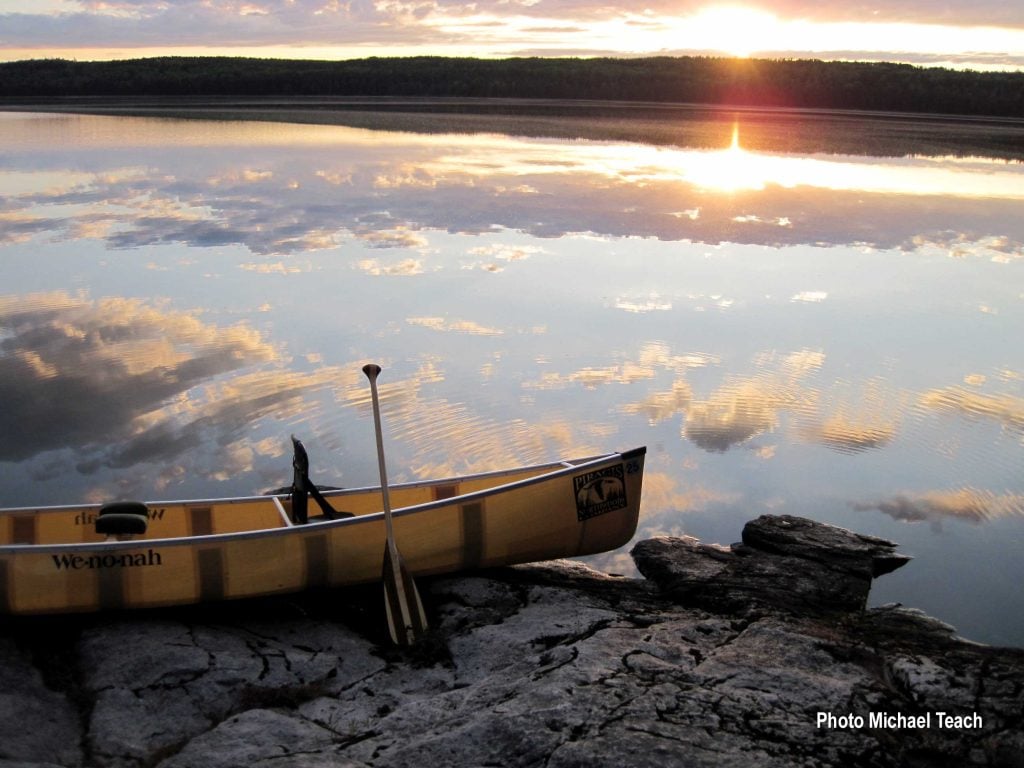
We reached the mouth of the Maligne at around 4:30 pm and the pit in my stomach grew – the river was moving fast from shore to shore, and the first set of falls was pumping. Clearly the river was cresting following the heavy rain and we were approaching it at its most dangerous. The plan was to portage twice and then decide if we could continue down the river, per some advice from the legendary paddler Adam Macht. The approaches to the first two falls were mild, as each had a bay preceding the approach that slowed the suction at the mouth of each falls, much to our delight, but it became apparent to me that the current was too strong on the river for us to be able to back out, and so our decision was made for us: we would have to navigate the Maligne River in flood conditions. We spend the next 4 hours paddling down rocket booster rapids, lined by boulders hiding just beneath the surface, threatening to tear a hole in our canoe or overturn us, lining our canoes down shorelines where water rushed around our legs, inches from drop-offs that would certainly shroud us in currents that we may never return from, approaching high water portages along suction points inches above waterfalls, bushwhacking through thick woods to get around points where the current was overwhelming, and lifting the canoe over trees that had fallen during the storm and blocked the navigable shoreline of the river, while wearing our heavy packs and dealing with the worst bugs on the trip (there were three inch long bugs I’ve never seen before – super sized may flies?) that wanted nothing more than to run down the back of my shirt. That time on the Maligne was hell on earth. I was locked into an expressionless trance where my entire being was focused on the task at hand, locked into the flow of the river, the obstacles around us, every flick of the paddle through the water and every shift and shudder of the canoe as it tried to turn sidewise, threatening to dump us over falls, or the shifting current below rapids slapping at the zero-rockered hull of our Wenonah Minnesota II Canoe – these slaps felt like a hand under the surface of the water grabbing the stern to throw it sideways and then back. The most exhausted I was on the entire trip occurred after this section, not so much from the physical exertion, but from the series of adrenaline dumps and the necessity of peak focus held for four hours straight. Once we reached the portage around Twin Falls, the final falls emptying into Lac La Croix, my nerves were shot and I was completely drained of energy.
The sun set on us as we reached Twin Falls and we took an hour-long break before navigating the final rapids through a pinch point to Lac La Croix, following the rising bubbles of flood waters all the way out into the main lake. I’ve never encountered these rising bubbles before, but I will not forget how ominous they were, the only indication of heavy water flow below the canoe when we were in calmer areas between rapids or falls, like a cauldron bubbling over a fire, certain to obliterate anything deposited into it. I’m not sure what causes the bubbles, but they were unique to my experience, though constant on that day. I again laid prone for the entire break, smoked a little, and found a second wind (maybe a third or fourth) and we paddled to the southern end of Coleman Island, halfway down Lac La Croix, in the dark. There is something magic, albeit unnerving, about navigating a gigantic body of water in the dark – one can see the major landforms and judge his position accordingly, but he must constantly take stock of the shoreline, lest he loses track and paddles miles out of the way. At 1:30 am, after about three hours of paddling in the dark, we pulled into camp, and I fell asleep without eating.
The rest of the trip was calm in comparison to what we had faced during the past two days on the Falls Chain and the Maligne River through Tanner Lake but challenging by normal standards. We overturned below Wheelbarrow Falls after choosing the wrong path and were tossed about in the rapids below, but thirty minutes of bailing water out of the canoe on a pile of rocks in the middle of the rapids had us back on track in no time. The strong current on portions of Crooked Lake were totally unexpected – areas where on previous visits there was nothing but flat, still water, were suddenly transformed into swiftly currented suction points as water pressed the issue flowing from Saganaga Lake back into Lac La Croix through the southern route. Now heading back east the current was working against us, running in the same direction as the alternative northern route whose current we had paddled with through Quetico. There were times where Zach and I had to work hard to paddle upstream against these currents where it seems impossible that there would be enough water to create current in such deep sections of lake, and it continued through much of the narrows at the southern end of Crooked Lake. Curtain Falls was magnificent in flood conditions, and I was glad to be past it while standing above its entrance. The wind kicked our butts on Basswood, especially after we rounded U.S. point and 15-20 mph winds had us surfing large rollers for several miles, an uncomfortable feeling in a canoe for those not used to the whipping motion a canoe experiences when a large wave carries it with a quartering tail wind. In the stern I had a blast surfing these waves, but Zach was at the mercy of the wave and my draw strokes and more than once he made it clear that he was having much less fun than I was. Turning East for the final time we battled headwinds on big water crossings, cursing the conditions on that final test.
At 5:10 pm we beached at prairie portage and ran across the portage to complete our loop, four days, eight hours, and forty-eight seconds after pushing off. We still had to paddle down Newfound and Moose Lakes, but we were happy to have completed our objective.
It was not until we arrived at the house of our friend James Ehlers that we learned about how bad the storm and conditions we had experienced were. He showed us photos of roads washed out and destroyed by the same flood waters we had careened down on the Maligne, portaged around on the Falls Chain, battled against on Crooked Lake. 4.5 inches fell that first night of our trip in Ely, and closer to 7 inches in the western portion of our route. Many of our friends, especially the serious paddlers who know what high water means, had been hoping we would reroute and not brave the Maligne River, concerned for our safety, and they were flooding us with text messages all day on Saturday. When we arrived, they were surprised we had completed Hunter’s Island in those conditions. This certainly provided a gravity to our trip that I am proud of, if also a bit anxious about some of the more perilous moments we experienced.
The refrain of our trip is that we were never in imminent danger, but we were never far from it.
by Tyler Suter
Be safe and wear your P.F.D.s at all times on the water. Be prepared for the unexpected.
By Tim Stouffer, Piragis Northwoods Company and the Boundary Waters Catalog Creative Director
Art below and photos by Tim Stouffer
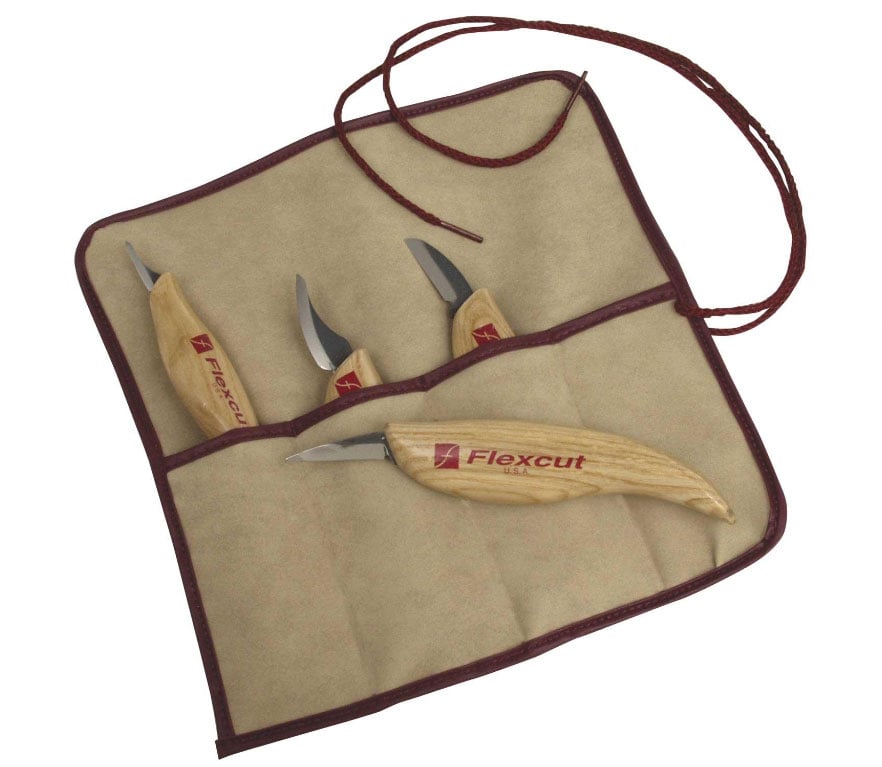
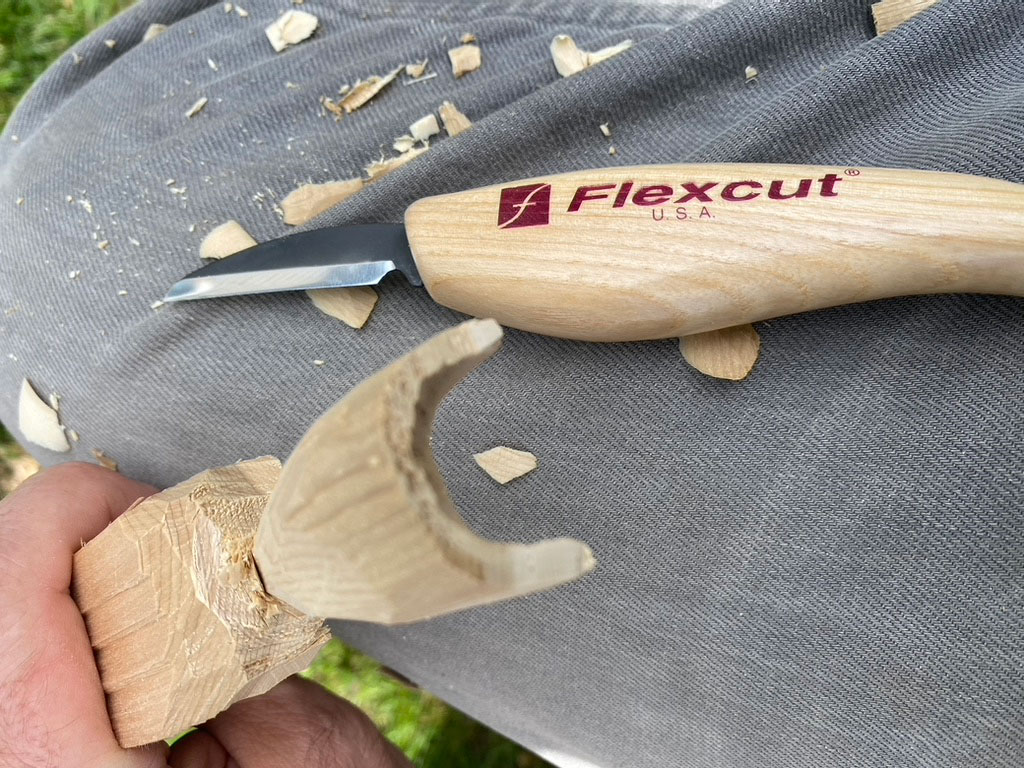
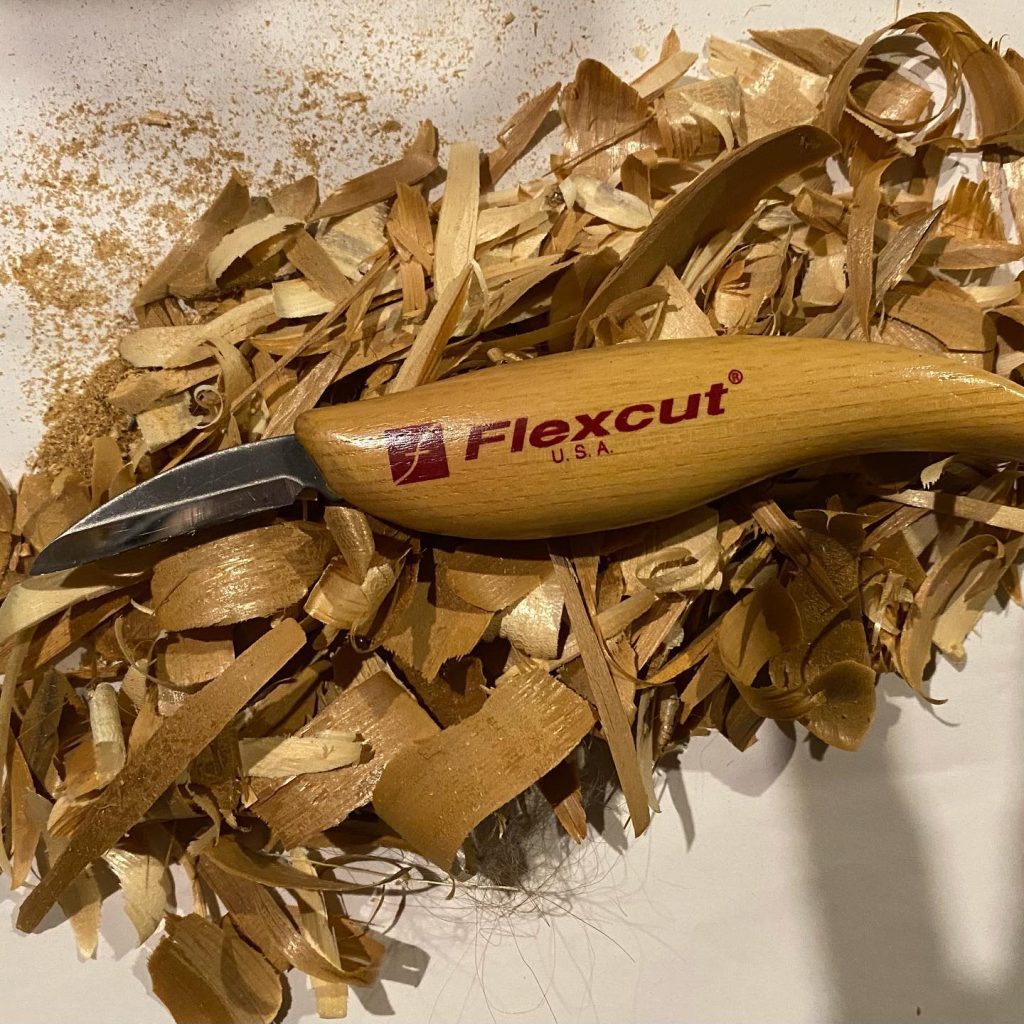
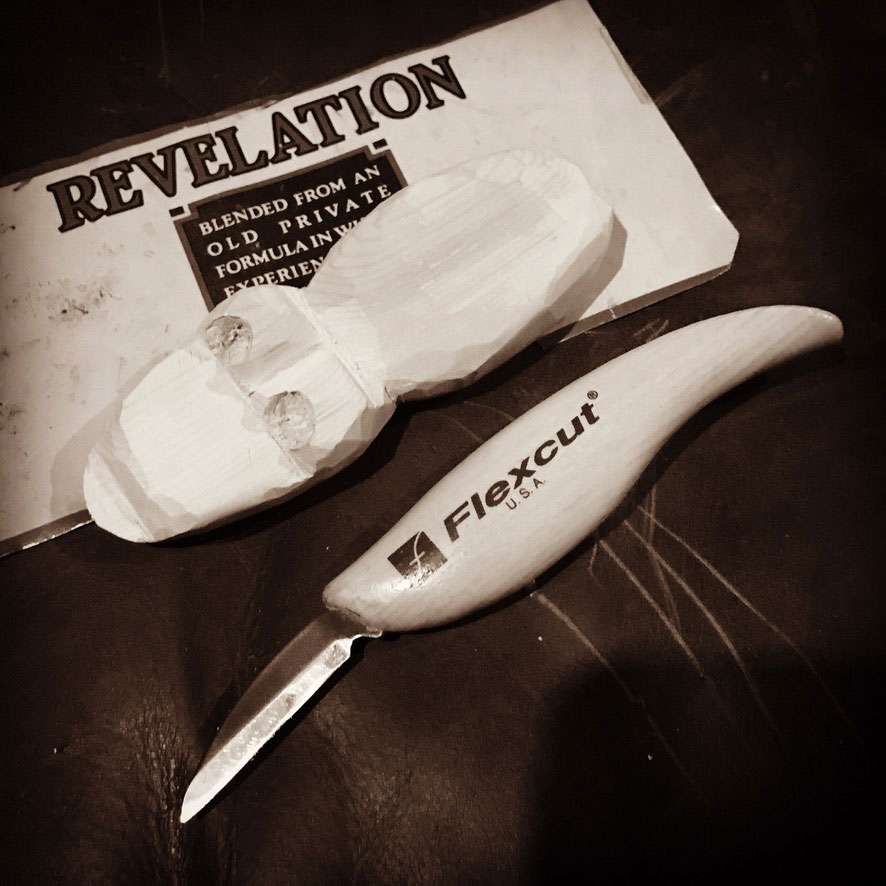
I often get asked via email or over the telephone when someone is placing an order about Flexcut carving tools. I first discovered them about 25 years ago when I was looking for something that didn’t hurt my hand. At the time I had a bad habit of gripping my tools too tightly. This was partially and mostly due to their narrow, straight handle shapes.
You can carve with the simplest of knives. A razor knife like a box cutter works. An old pocket knife works. A short blade, sharpened well, superglued into a dowel rod or an antler works. However, all of these will slip in the hand and each will become uncomfortable in the hand with long use. Depending on the steel they are made with, they will also be hard to sharpen.
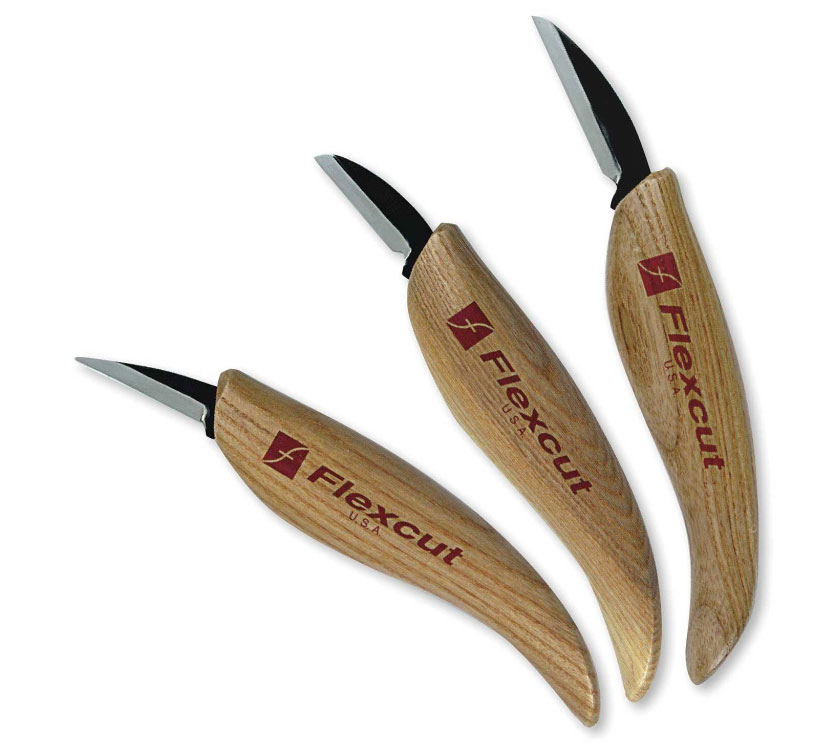
Not only are Flexcut Carving Tools sharp when you purchase them, they are easy to keep sharp. One of the best features of Flexcut tools are the ergonomically shaped wooden handles. They don’t shift in your hands while using. They have a much smaller tail that allows your hand to close around them naturally, especially with your last two smaller fingers.
What Kind of Carving Projects?
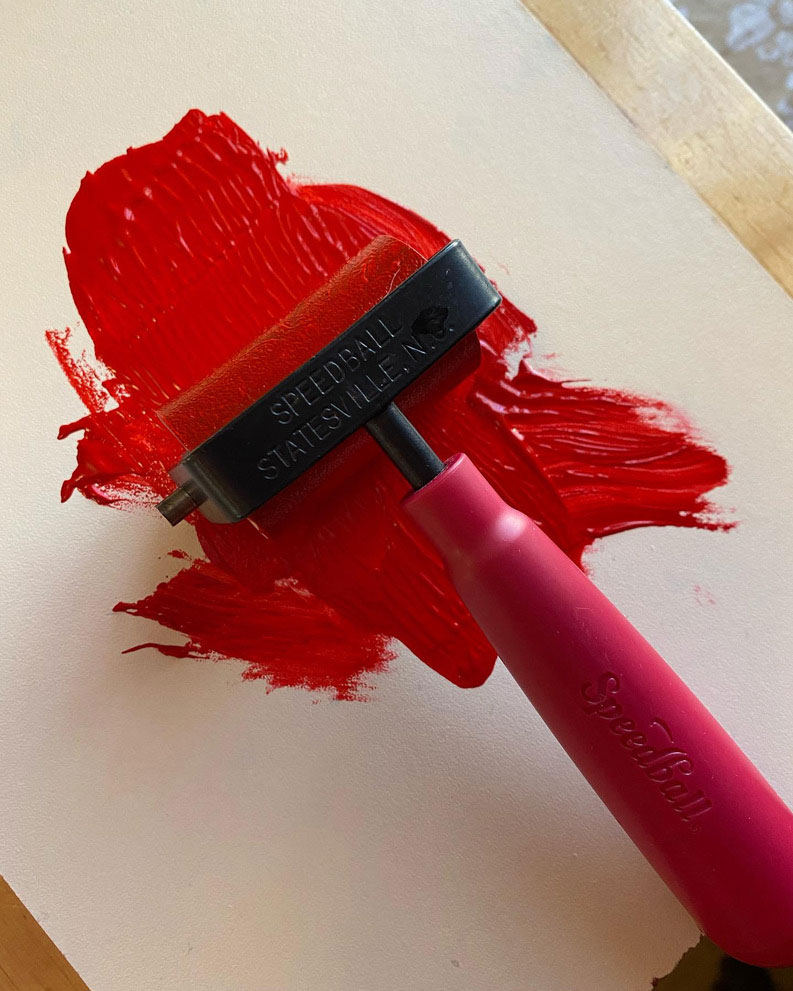
I begin with roughing knives to take off the most wood. Then I follow up with different shapes of the more delicate detail knives. All of these are very durable. Flexcut carving tools are designed to meet a variety of wood carving, wood cut print and linocut print cutting needs. The best advice for Flexcut maintenance is to clean and take the time to sharpen your knives so that they are always at their best before your next use.
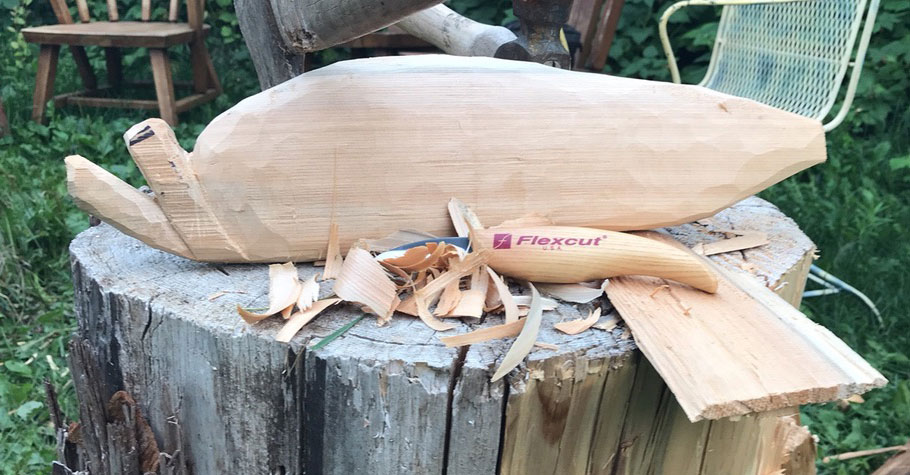
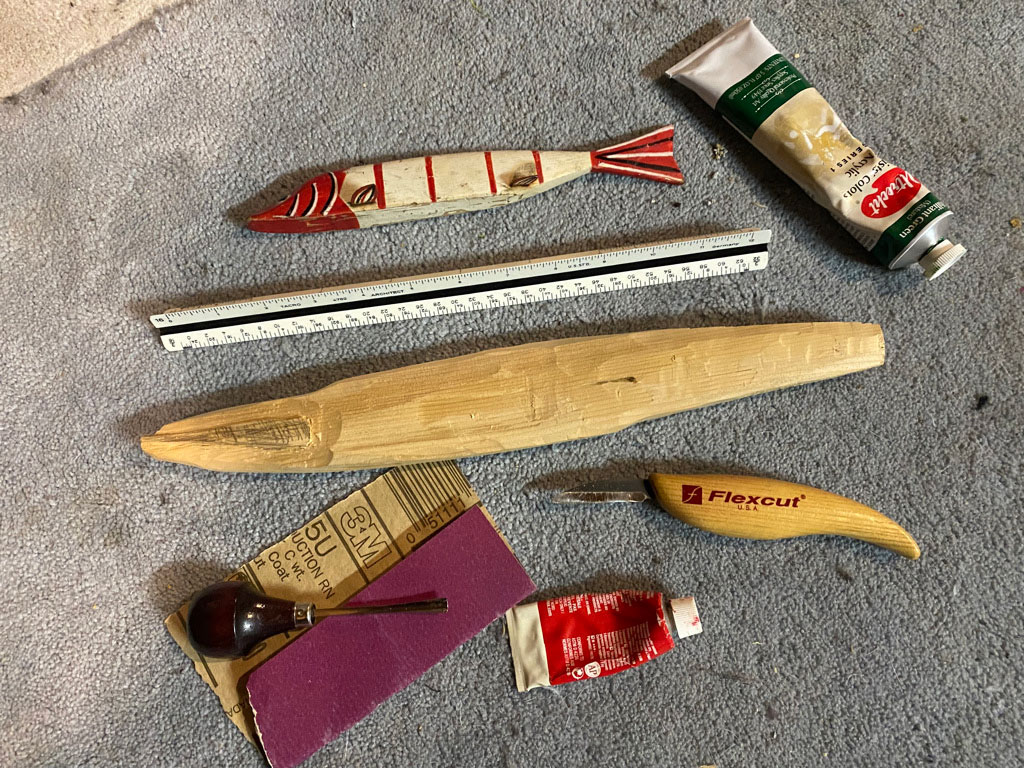
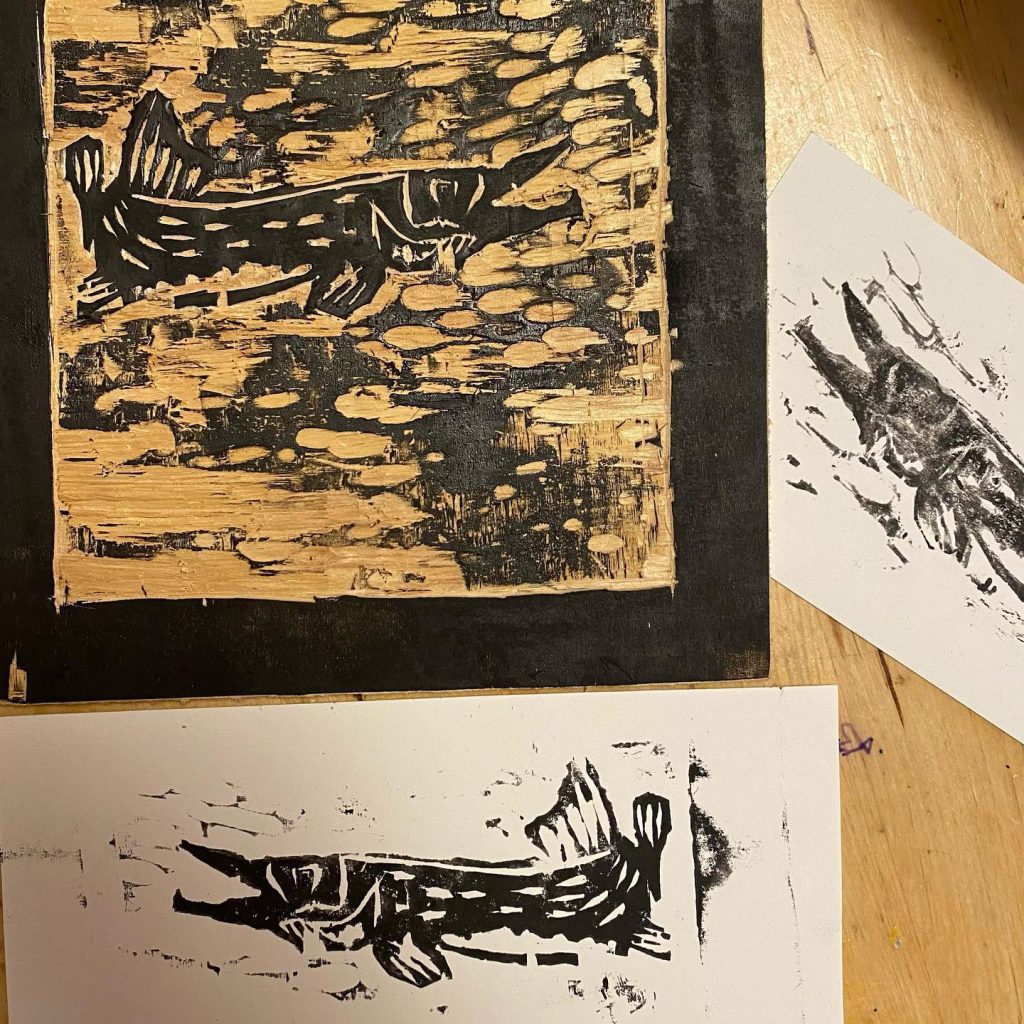
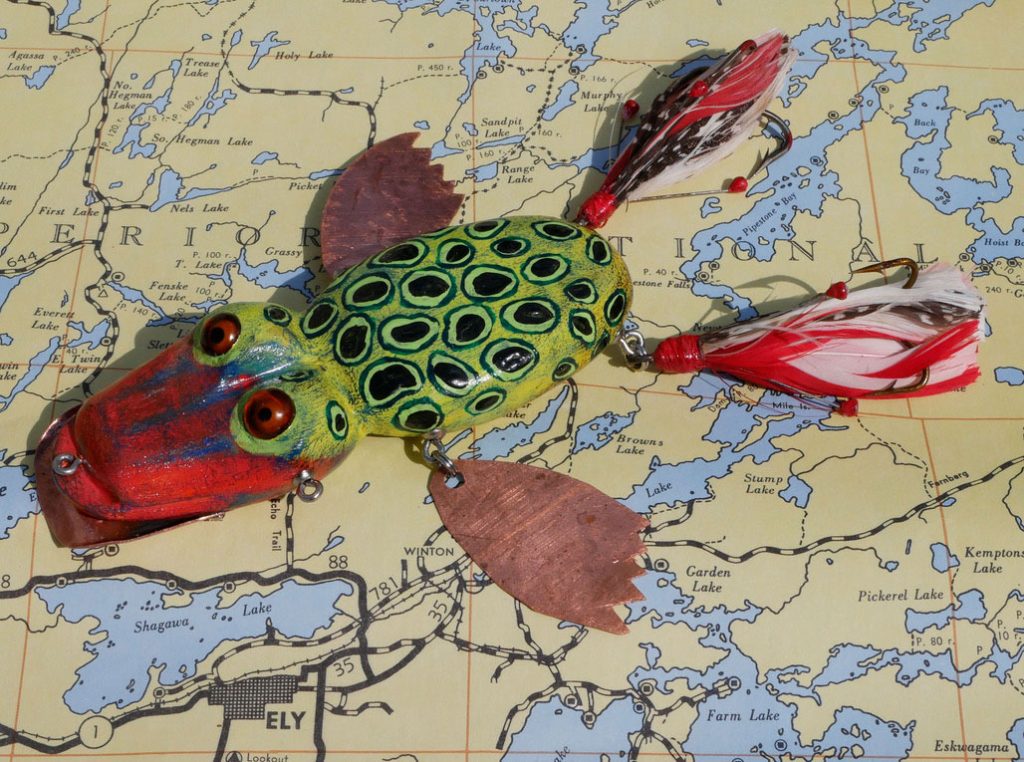
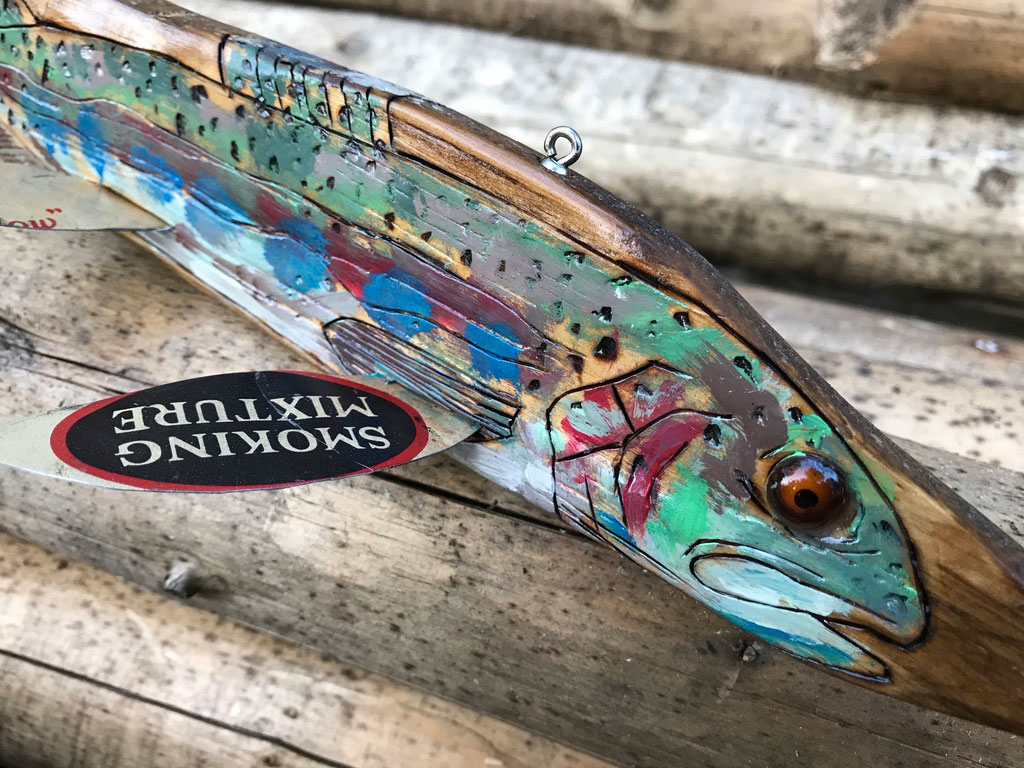
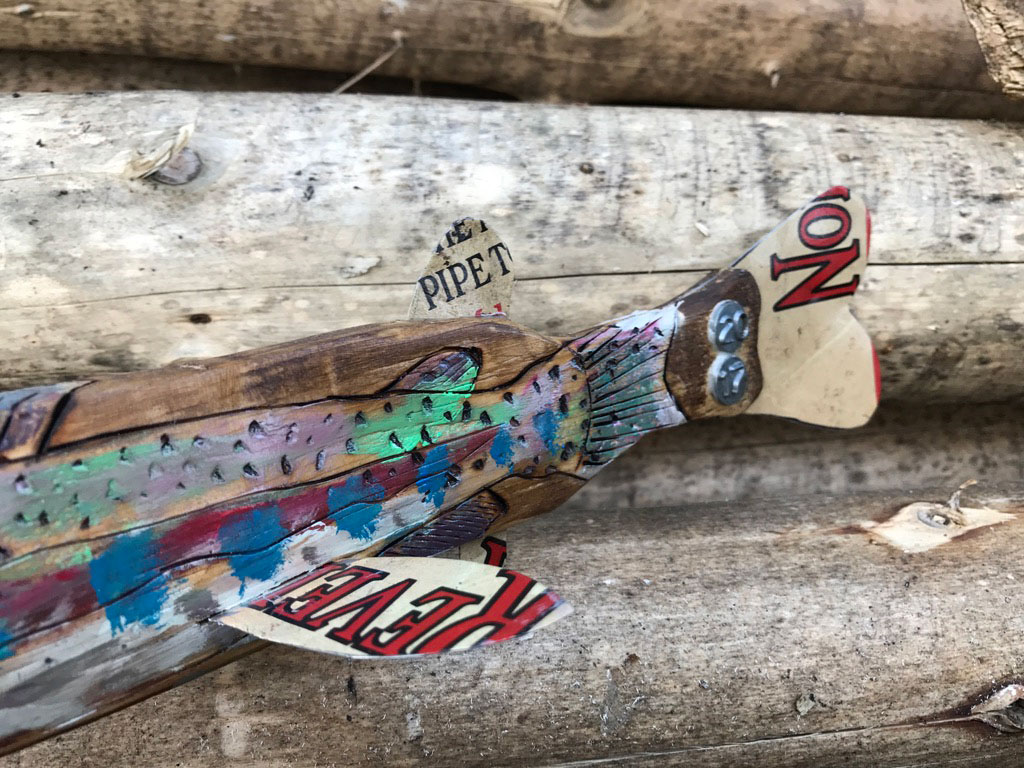
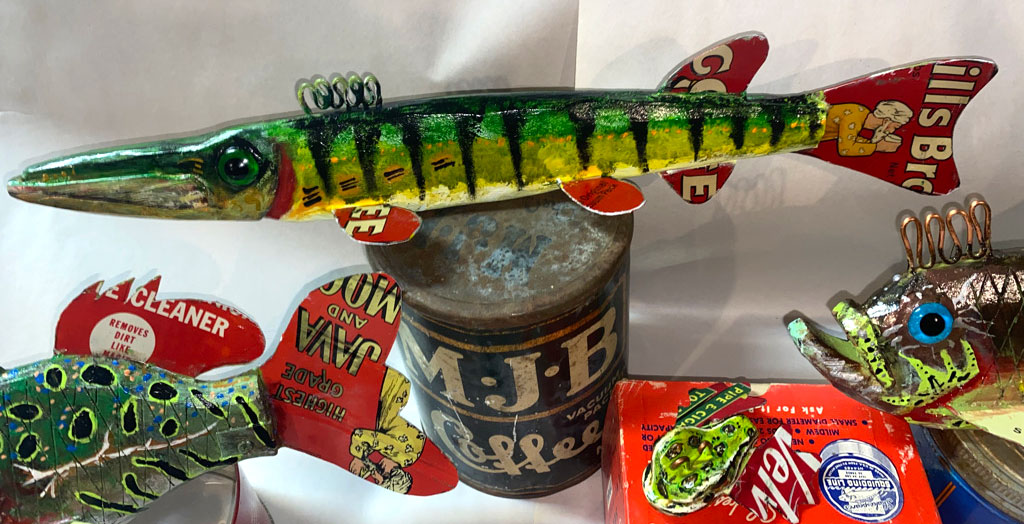
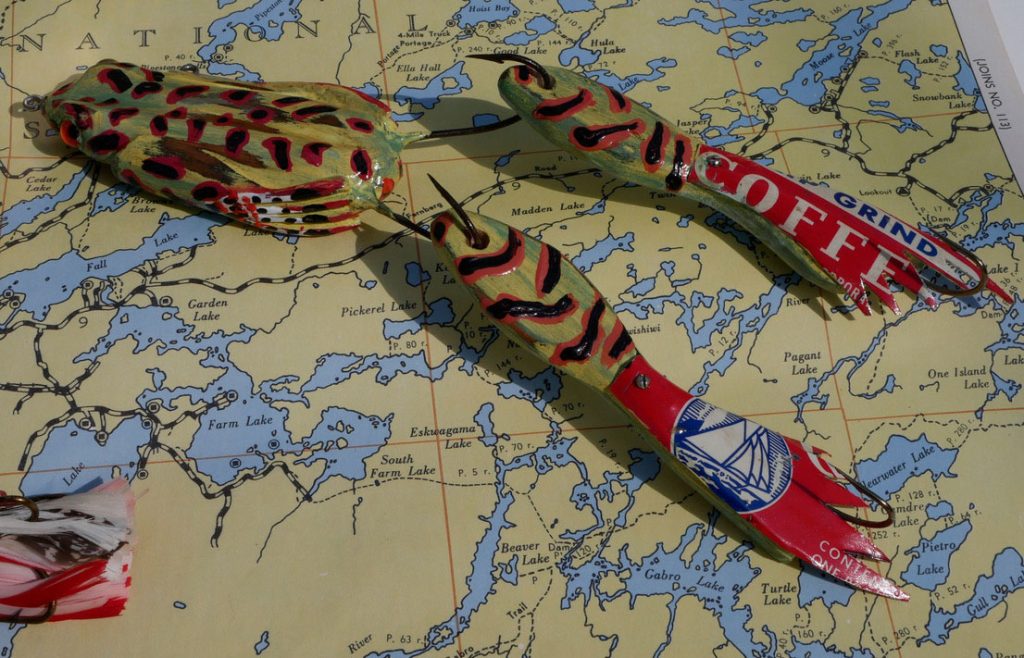
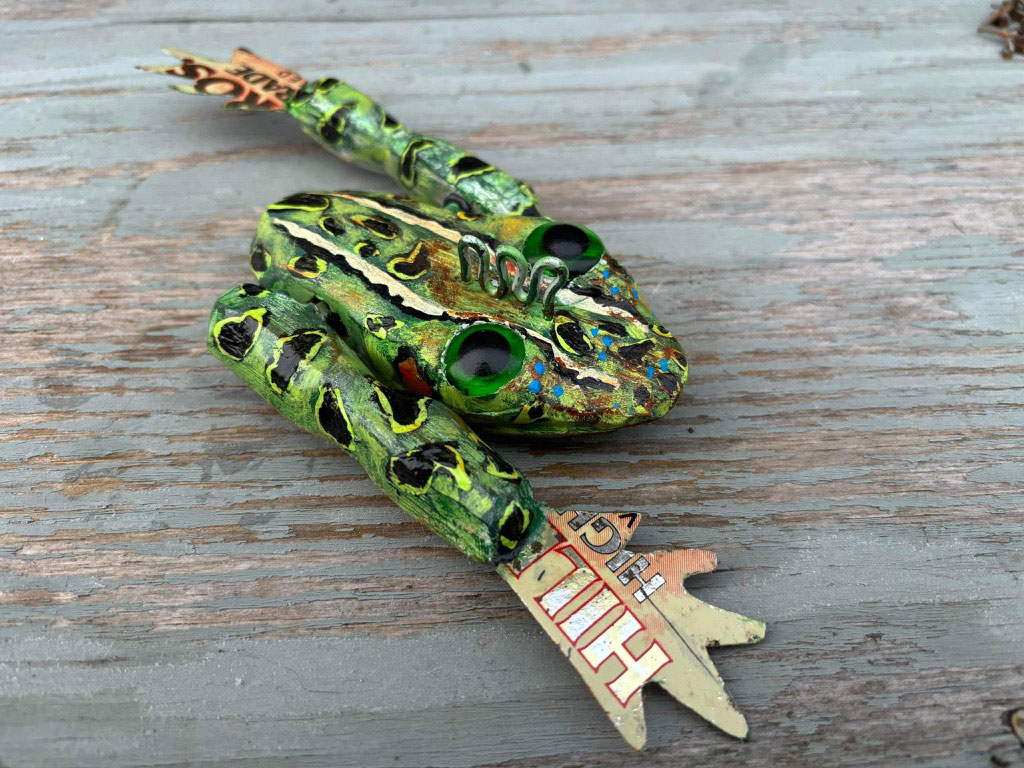
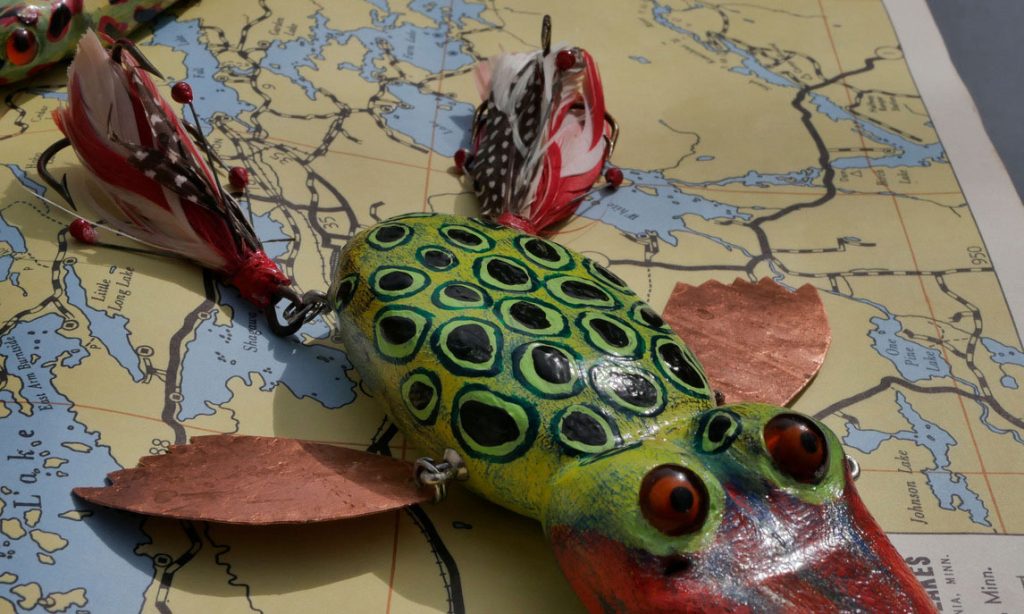
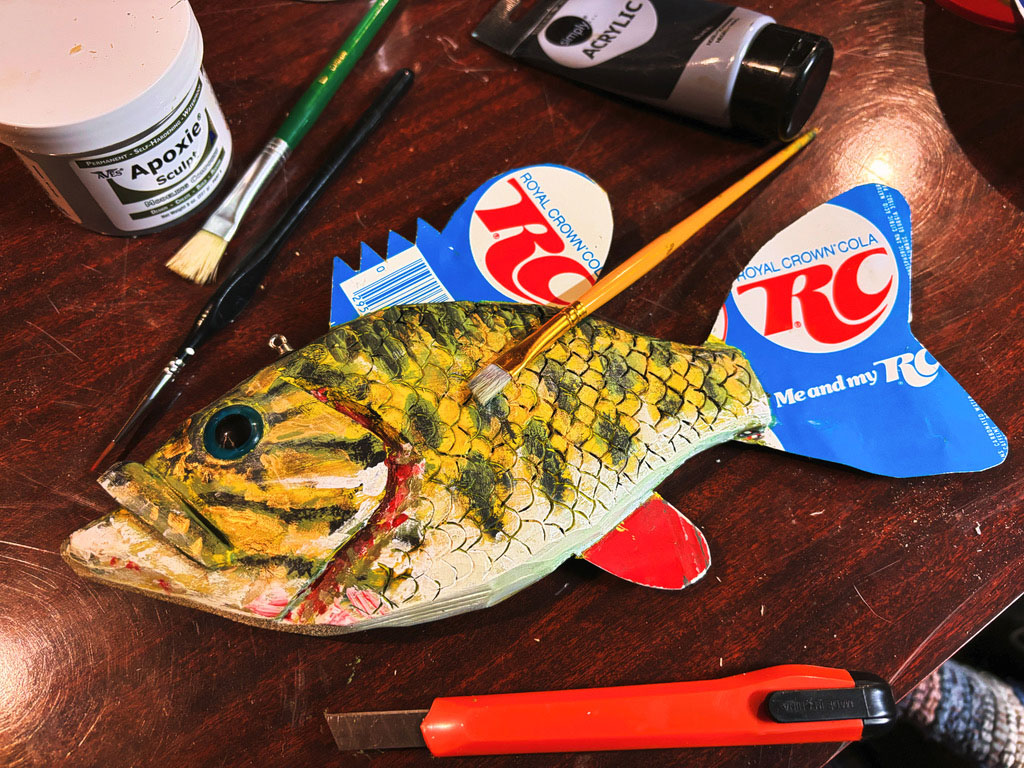
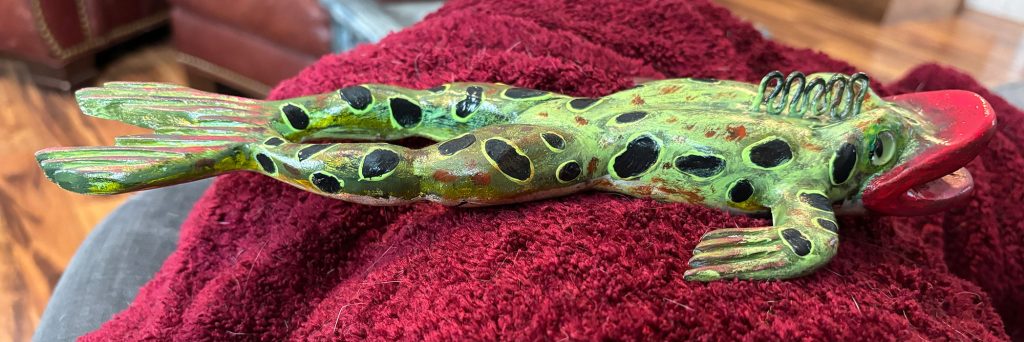
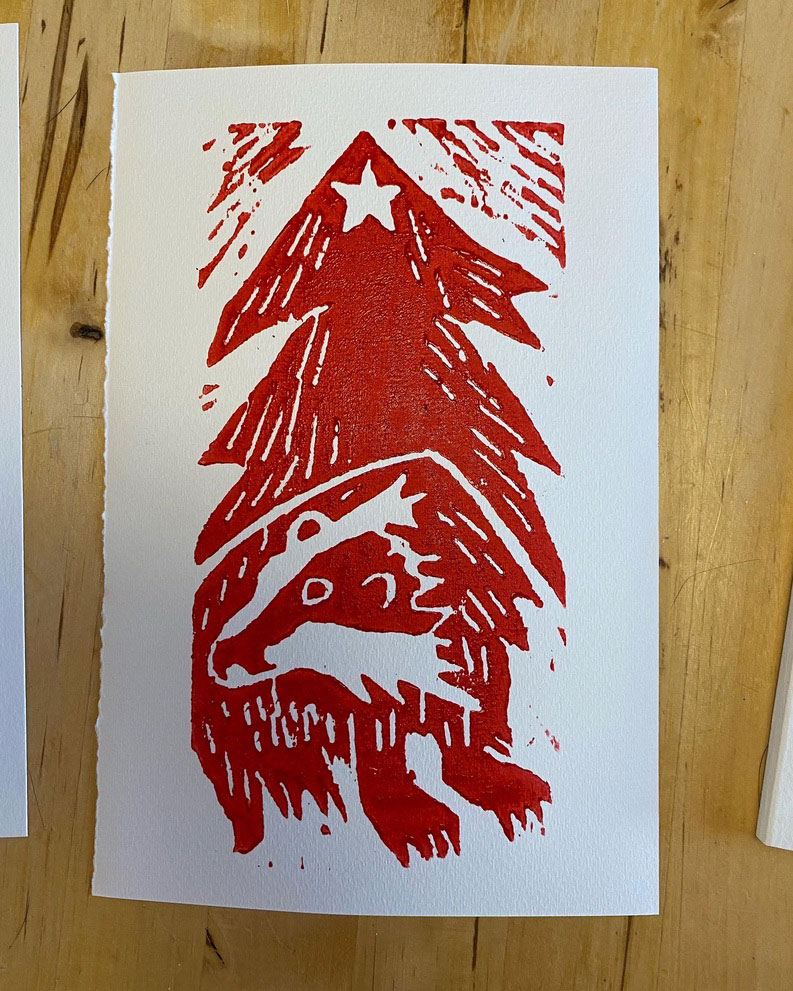
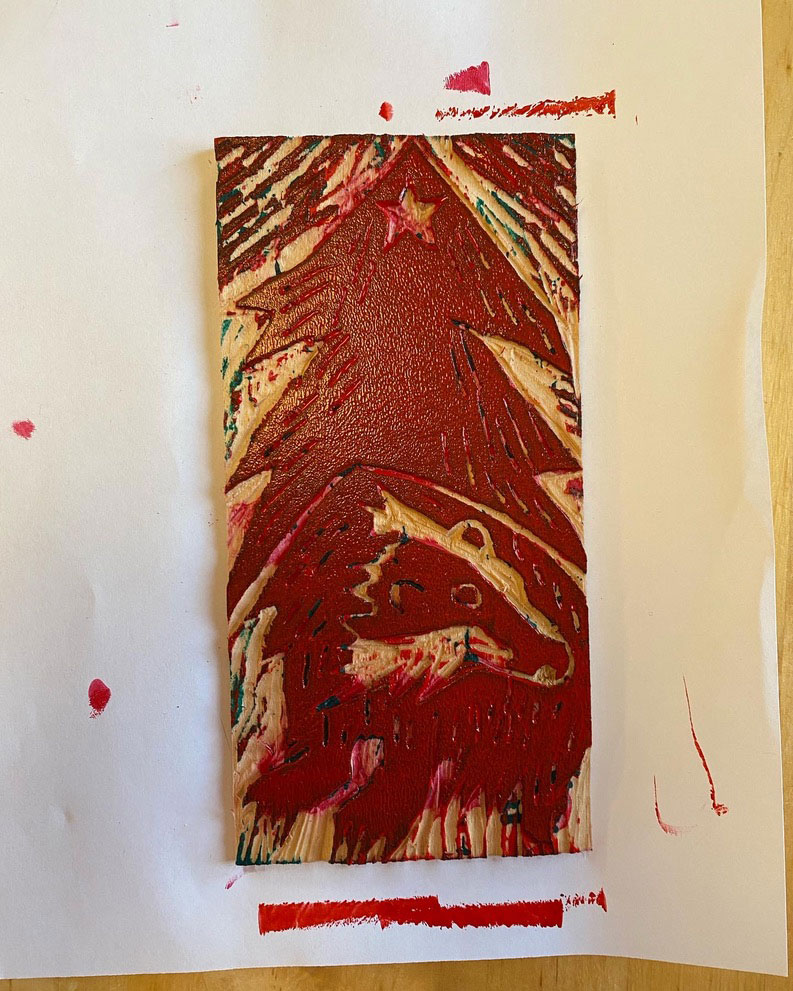
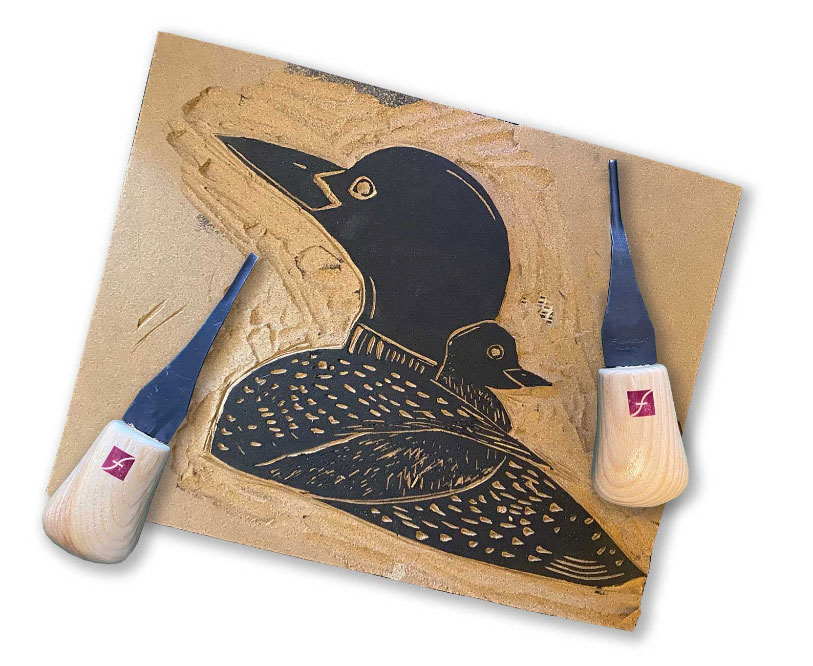
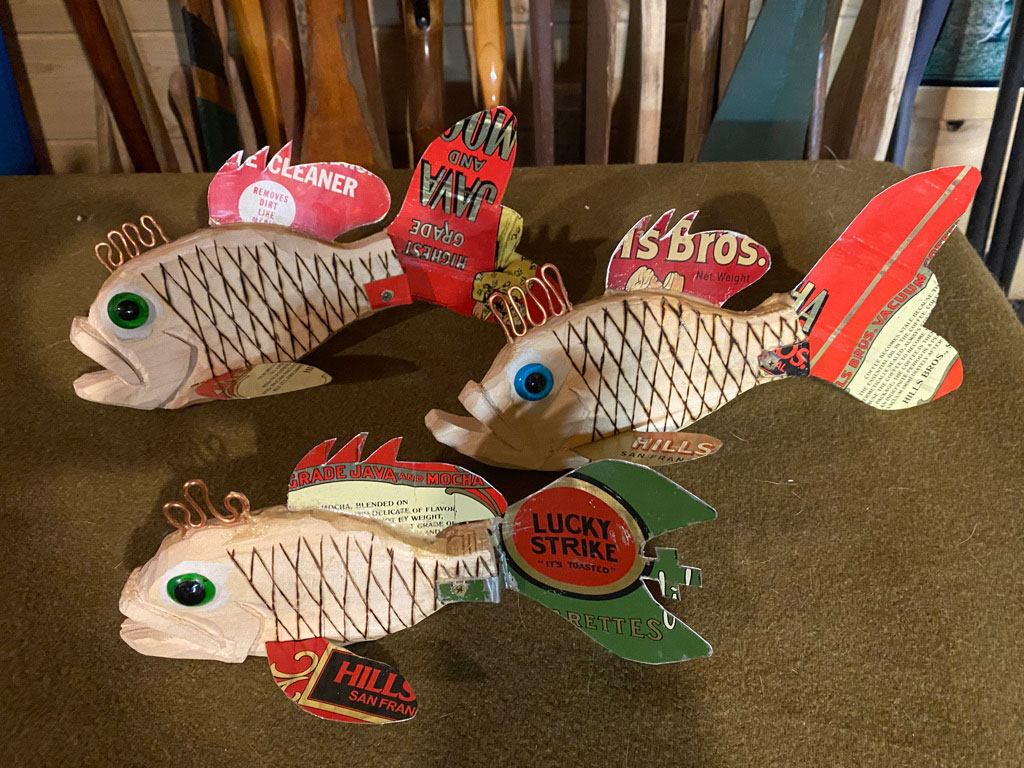
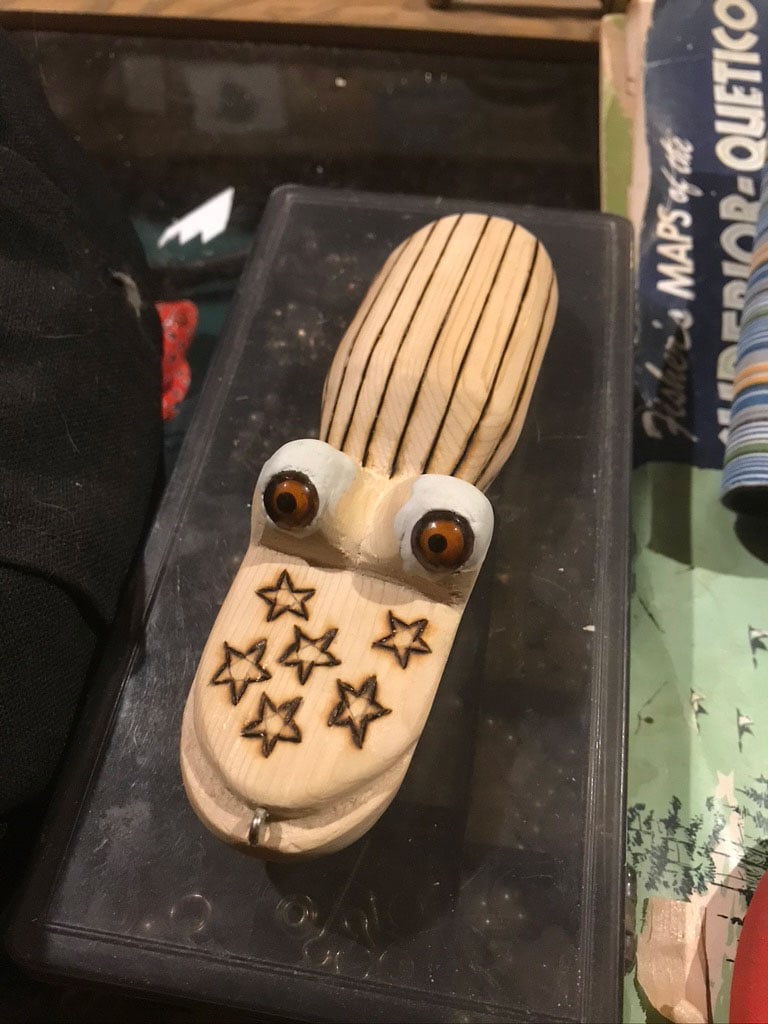
I hand carve and create fishing lures and darkhouse spear fishing decoys. I also make folk art carvings, Christmas ornaments, woodcut art and linocuts for printing. This blog has a lot of pictures because I wanted to inspire you to use your Flexcut carving tools in new ways. I use these tools predominantly on softer woods like white cedar or basswood. They work very well on hardwoods like walnut, butternut and mahogany. I’ve carved some oak and old hardwoods too.
Examples of Carvings
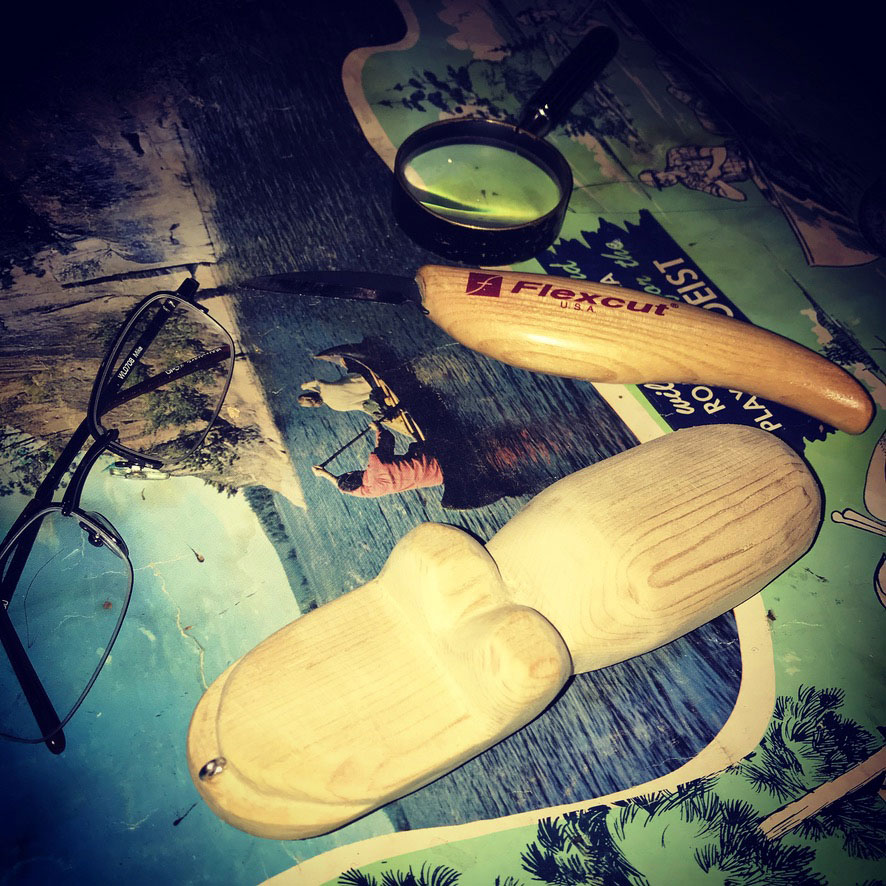
Like all of our canoe camping gear, we are proud to use all of the items we sell in the Boundary Waters Catalog. This allows us personal knowledge of each of our products. This makes sense to us. Why would you buy something from someone that knows nothing about it? This is true of the smallest piece of camping equipment to technical gear and the sharpest axe. I personally have used and continue to use Flexcut Carving Tools on nearly a weekly basis.
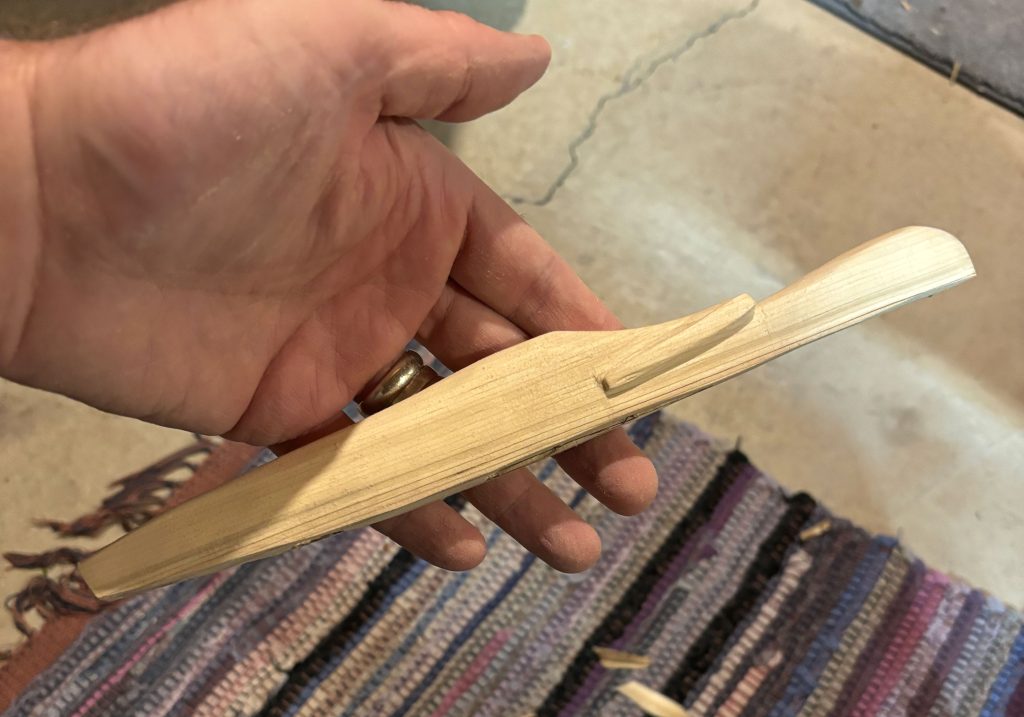
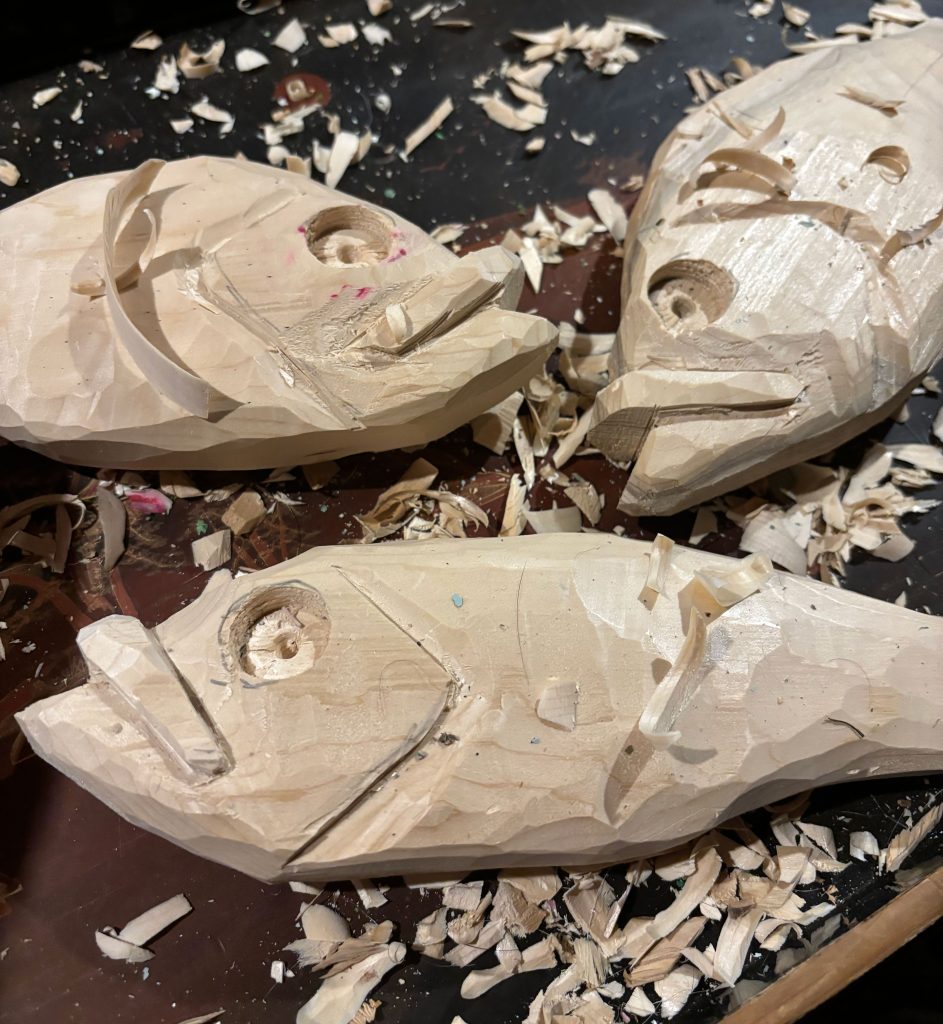
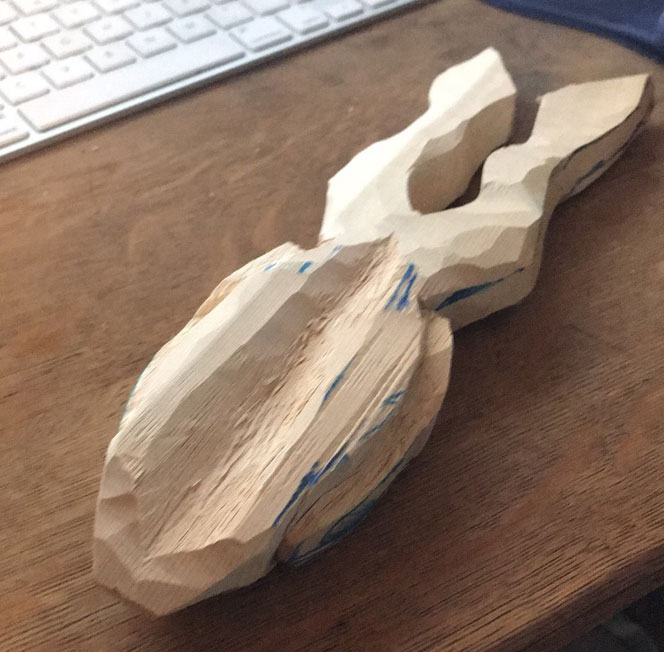
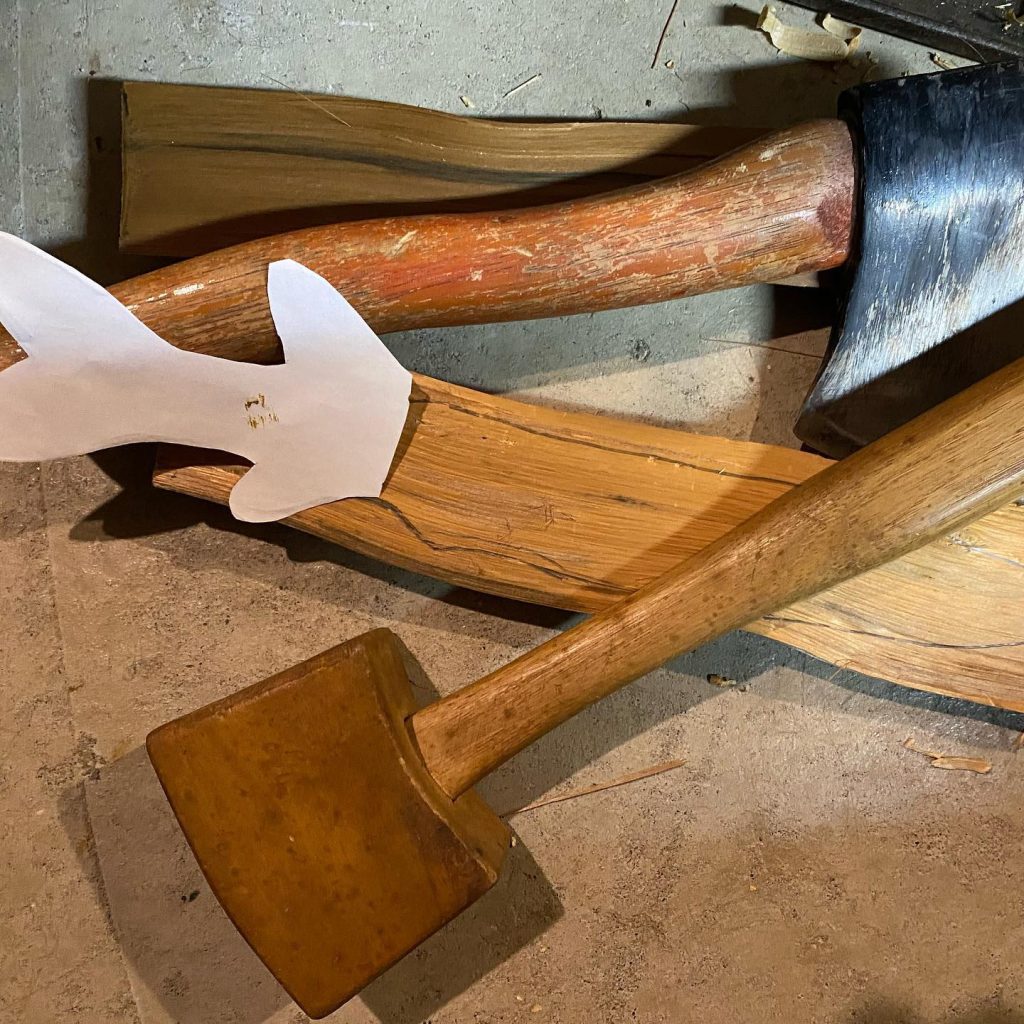
Here are the beginnings of some projects. If you look close, you’ll be able to see later in the blog what they turned into.
The Art of Fish Decoys
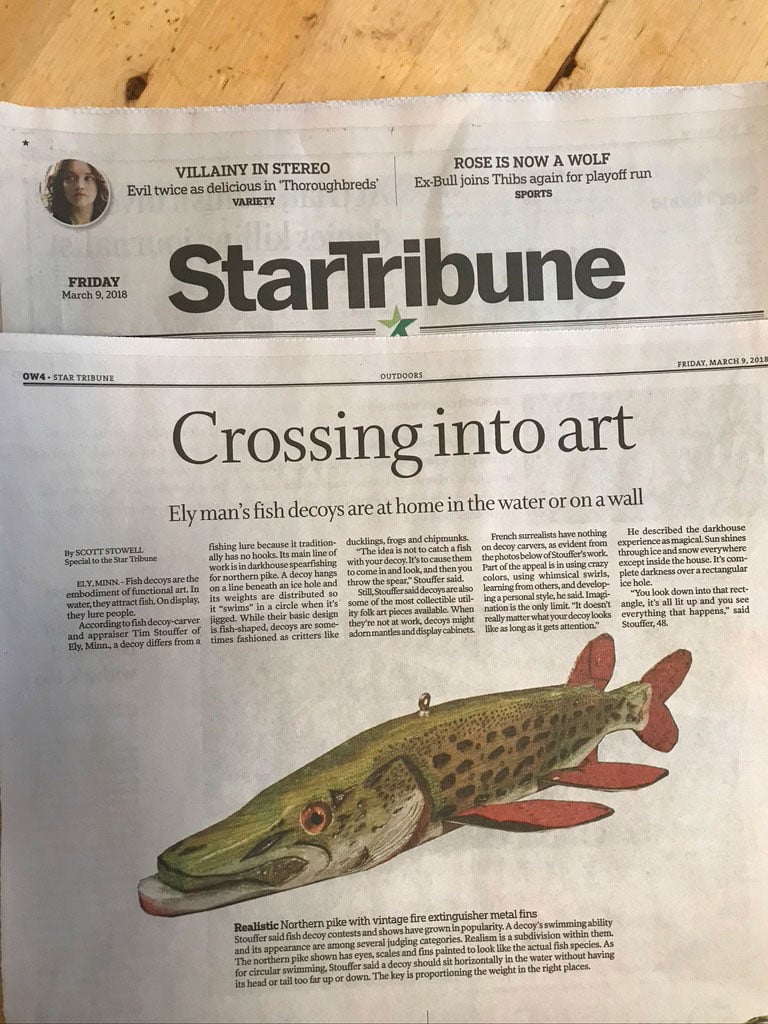
Several years ago, the Minneapolis Star Tribune published an article about my creations and collections. I was surprised to find out that many people in Minnesota (let alone other parts of the country) had never heard of Darkhouse Spearing and fish decoys. They’d never sat over a big hole in the ice in the dark and watched Northern Pike swim in because they were curious of a swimming fish decoy. They were admirable of the functional sport as an art form though and as something to be collected and displayed at cabins or homes.
It is very satisfying to keep the centuries old craft and practice, not to mention the sport, alive and still kicking. It sure is an experience to catch or spear a fish after using a lure or decoy that you have created yourself!
Where do I start?
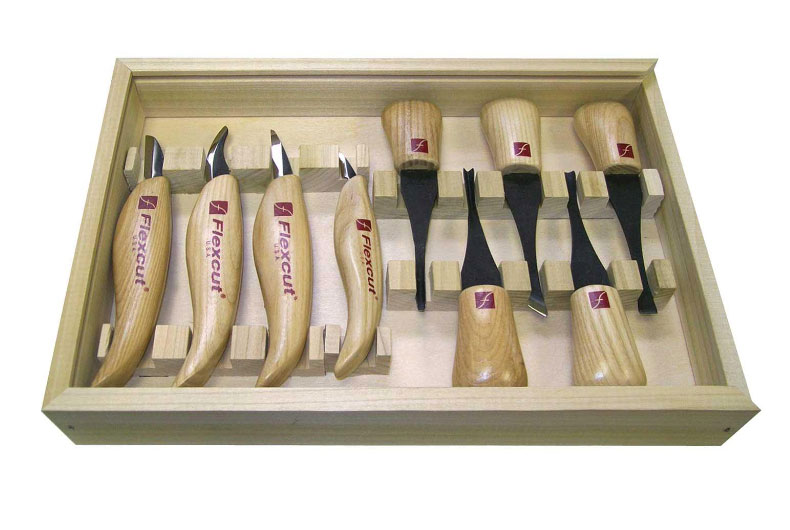
There are several beginning sets I would recommend that are very economically priced. After that, if you find yourself in need of advanced and more detailed tools, we have those as well. Flexcut Carving Tools make great gifts and we often sell more during the holiday seasons!
While you do need to use gouges or chisel points (Palm Knives/Palm tools) for some wood carving projects they have other specific uses. They are fantastic tools that provide excellent control for carving wood blocks and linoleum for printing purposes. From the finest detailed “v” gouges to extra wide palm tools, Flexcut Carving Tools meet all your needs.
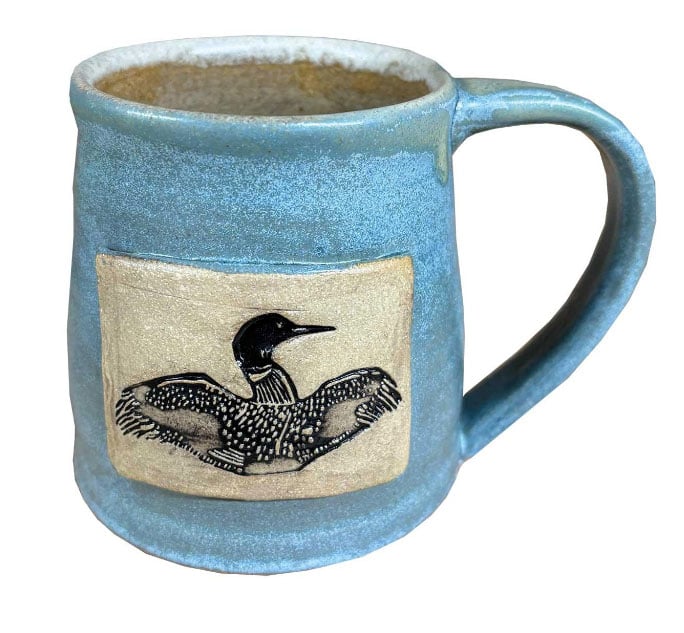
We’ve even used them in the initial creation of art that graces two of our most popular coffee mugs here at the Boundary Waters Catalog. When we told you Flexcut Carving Tools had multi use applications, we weren’t kidding. (original art by Simon Stouffer)
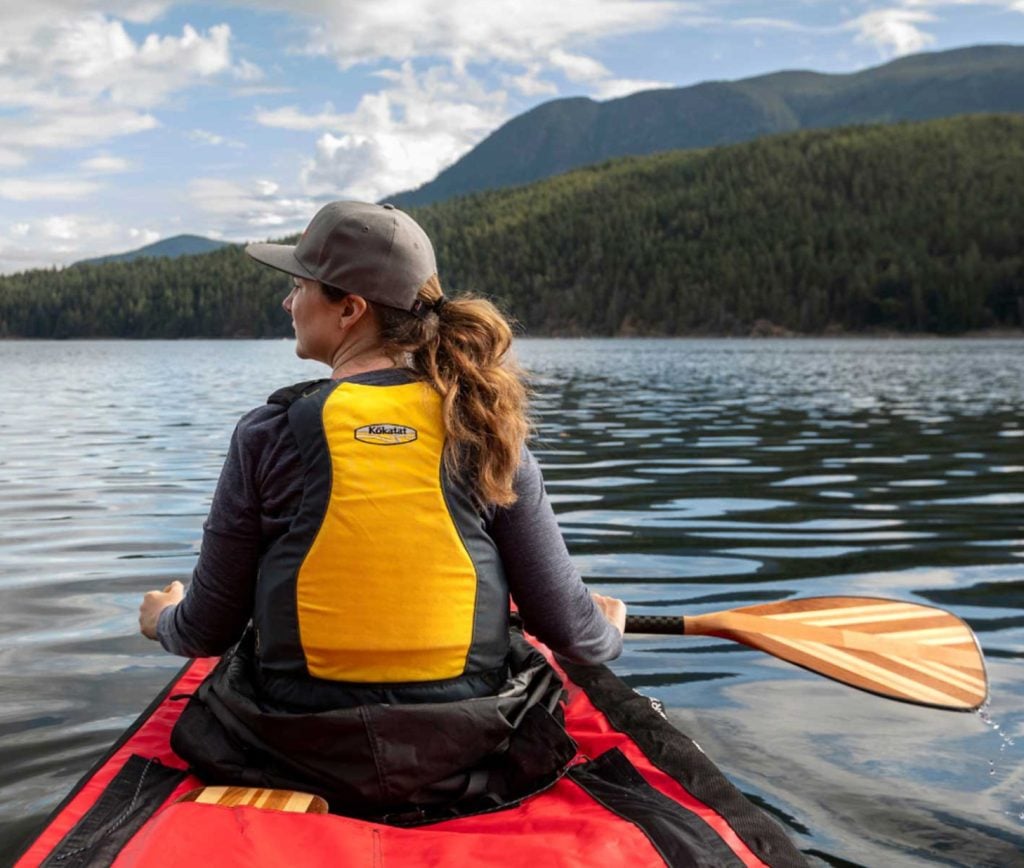
When choosing the right canoe paddle for your adventures on the water, one of the key factors to consider is the shape of the paddle itself. Whether cruising on calm lakes, paddling solo, navigating rivers, or tackling waves on a windy day, selecting the appropriate paddle shape can significantly impact your paddling experience. (photos below Bending Branches Paddles)
In this blog, we’ll explore the differences between straight and bent paddles and touch on our artisan paddles, exploring their unique characteristics and recommending the best options for various conditions.
For the most part, this blog will discuss paddles for flatwater canoeing, such as the Boundary Waters Canoe Area Wilderness and similar wilderness waterways.
These versatile paddles are popular among solo paddlers for a few reasons;
Since they sit alone in the middle of the canoe, they often need a longer shaft to reach the water comfortably.
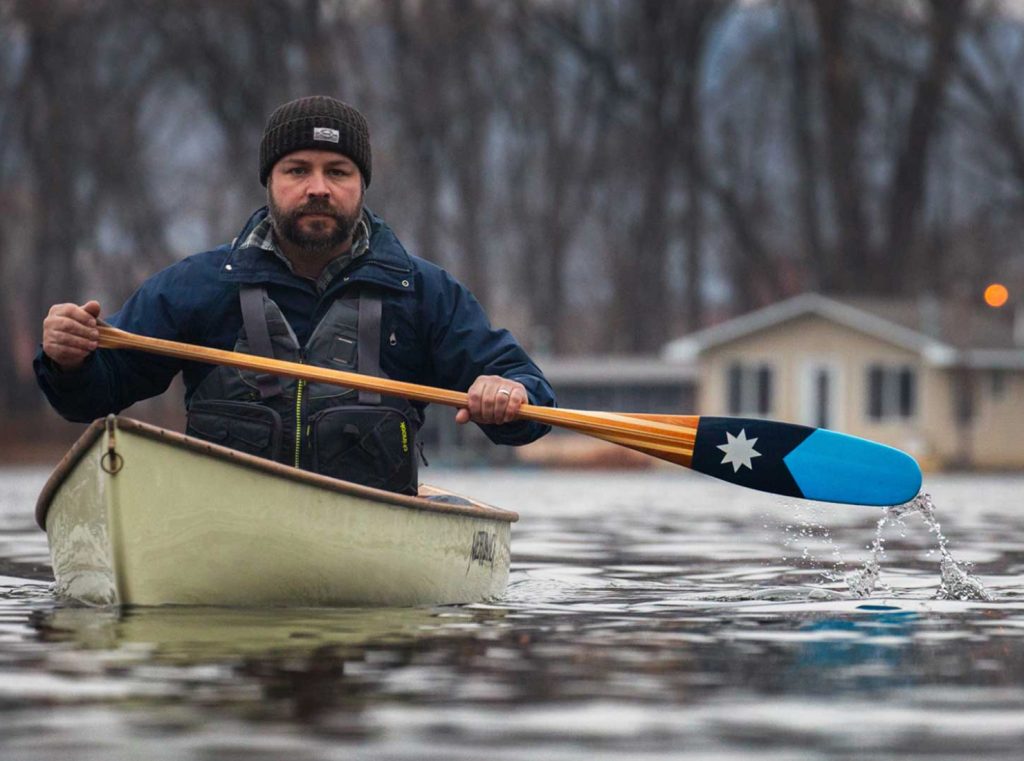
Solo paddlers might also enjoy the extra control offered by a long blade, like the beavertail style. These longer blades, with their squared-off edges, have great surface area and strike a decent balance between efficiency and power.
Whether you are cruising calm lakes, mellow rivers or tackling moderate chop, straight shaft paddles can handle it all. Their design makes them reliable and predictable, perfect for beginners and intermediate paddles who want a trusty companion on the water. Plus, they often come in longer lengths (up to 58 inches!), which can be a lifesaver for paddlers with shorter arms who need more leverage.
Of course, tradition plays a role too. Some paddlers simply prefer the classic feel of a straight-shaft paddle, carrying on the legacy of these time-tested tools.
PROS
CONS
Straight-shaft paddles suit many paddling environments, including calm lakes, rivers, and moderate currents.
Straight-shaft paddles may cause slower travel over the course of a long paddling day as they are less efficient.
Their straightforward design makes them ideal for beginners and recreational paddlers who prefer a simple and intuitive paddling experience.
Paddlers may experience increased fatigue over extended periods due to the less ergonomic design than curved blades.
They provide efficient forward propulsion, making them suitable for a variety of uses.
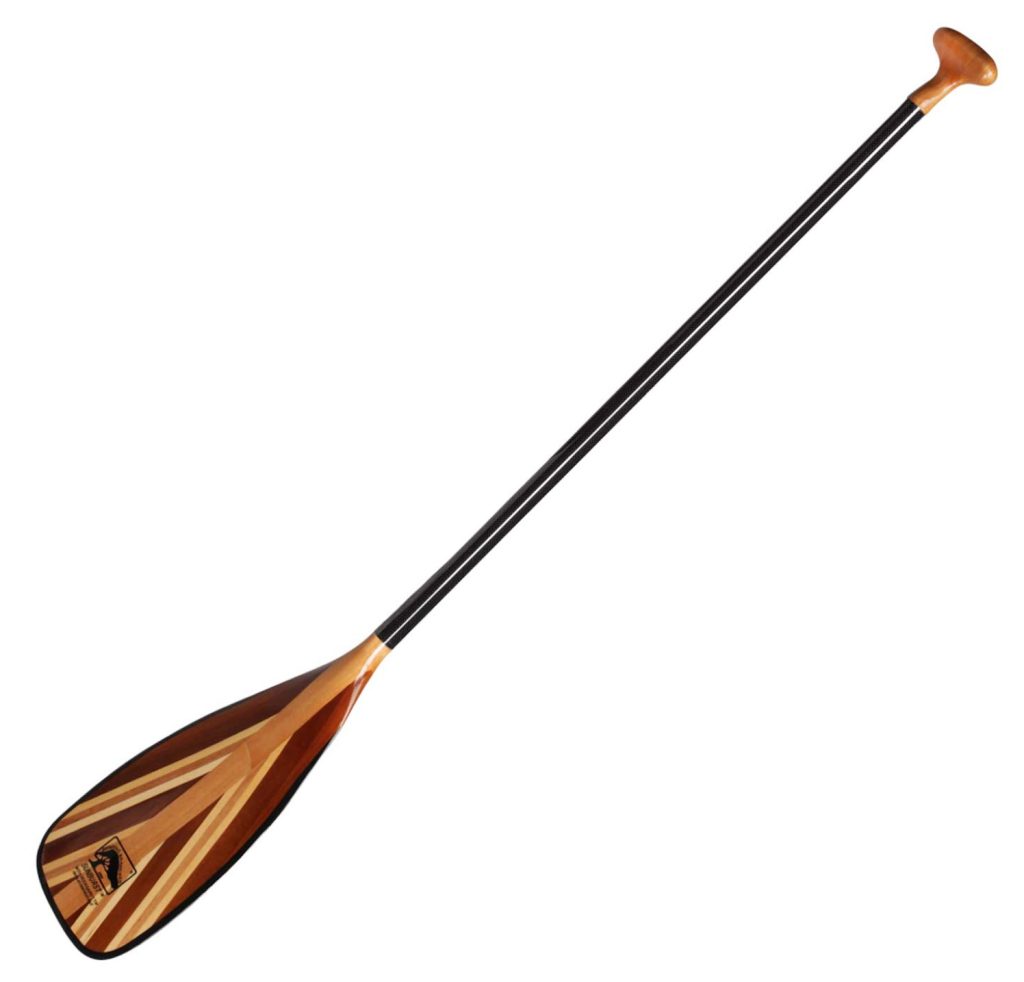
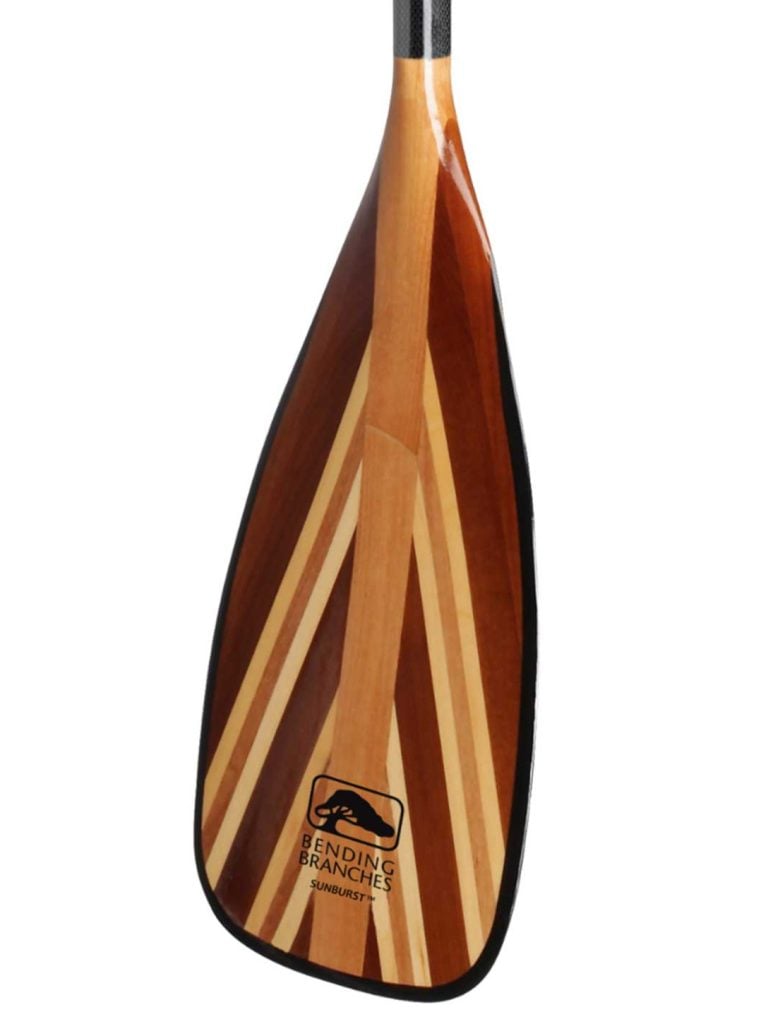
Bent Shaft Bending Branches Sunburst Bent Shaft Canoe Paddle (link to purchase here).
These unique paddles feature a bend, usually around 12 or 14 degrees, designed to make paddling smoother and easier on your body. The bend allows for a more natural wrist position, keeping the paddle blade perpendicular to the water throughout your stroke. This translates to less fatigue and more comfort, especially on long trips or in tough conditions.
New paddlers sometimes mistake the bent shaft for a shovel and try to “scoop” the water. This requires holding the paddle backwards. Remember, a bent shaft is all about a smooth pull, not scooping! Bent shaft paddles truly shine on wilderness canoe trips. With all that repetitive paddling, their ergonomic design keeps you in control and efficiently propels your canoe forward, saving your energy for the adventure ahead.
PROS
CONS
The bent shaft paddle provides a more efficient paddling stroke, translating to enhanced propulsion with less effort.
Solo Paddlers or those who prefer shafts longer than 54” may need a straight shaft paddle.
Bent Shaft Paddles are designed to align at the optimum angle with the water therefore increasing efficiency and reducing fatigue during extended paddling sessions.
Traditionalist paddlers often stick with straight shaft designs.
Artisan Paddles
Our Artisan paddles are straight shaft paddlesthat tend towards the beavertail design of a long shaft and long narrow paddle blade. These paddles are largely works of art meant to be hung and displayed in a home, cabin or woman or man cave. They can be paddles like any traditional straight shaft paddle would be, however they are priced as and valued as pieces of art. Sanborn hand crafts and paints many different beautiful and fully functional variations of Artisan Paddles. (photo below Sanborn Canoe Company)
These blades are prized for their beauty and craftsmanship, making them a popular choice among paddlers who appreciate both form and function. Artisan Paddles add a touch of elegance and personality to any paddling adventure if you can convince yourself to take them down off the wall.
Finding Your Perfect Paddle
Choosing the right paddle is key to a smooth and enjoyable experience on the water. Whether you crave the versatility of a straight shaft, or the comfort of bent shaft, or the beauty of artisan creations, there’s more than one canoe paddle waiting to match your style and needs.
Just like any sport or hobby (or even a collector’s dream!), paddles come in a vast array of shapes and sizes. Once you’ve settled on a shaft style, consider the material. We champion lightweight, state-of-the-art paddles that often blend carbon fiber, natural wood, and fiberglass for strength.
Remember, for those epic wilderness trips, you need a reliable, durable tool. But don’t forget about weight – a lightweight paddle keeps you comfortable and limber throughout the day. Every ounce counts!
Understanding the differences between straight and bent shaft canoe paddle empowers you to make an informed decision and select the perfect paddle for your next Boundary Waters adventure.
Ready to Explore?
Dreaming of paddling the Boundary Waters Canoe Area Wilderness (BWCAW)? We’re your one-stop shop for all your needs! We even offer rentals, including bent-shaft paddles, so you can try before you buy and fully grasp their purpose.
Sometimes you need a quick meal at camp. Perhaps after a long day of canoe paddling or a long day of fishing and exploring on the lake. Canoe camping doesn’t have to be all gorp and dehydrated meals on a campstove (however quick, lightweight and tasty). Take time to think about some of your favorite meals. I love Pizza, Tacos and Burgers and Chinese Food most of all. Man, a good taco truck or woodfired pizza joint is hard to beat. We will talk pizza and reflector ovens and tortilla thin style cracker crusts another time.
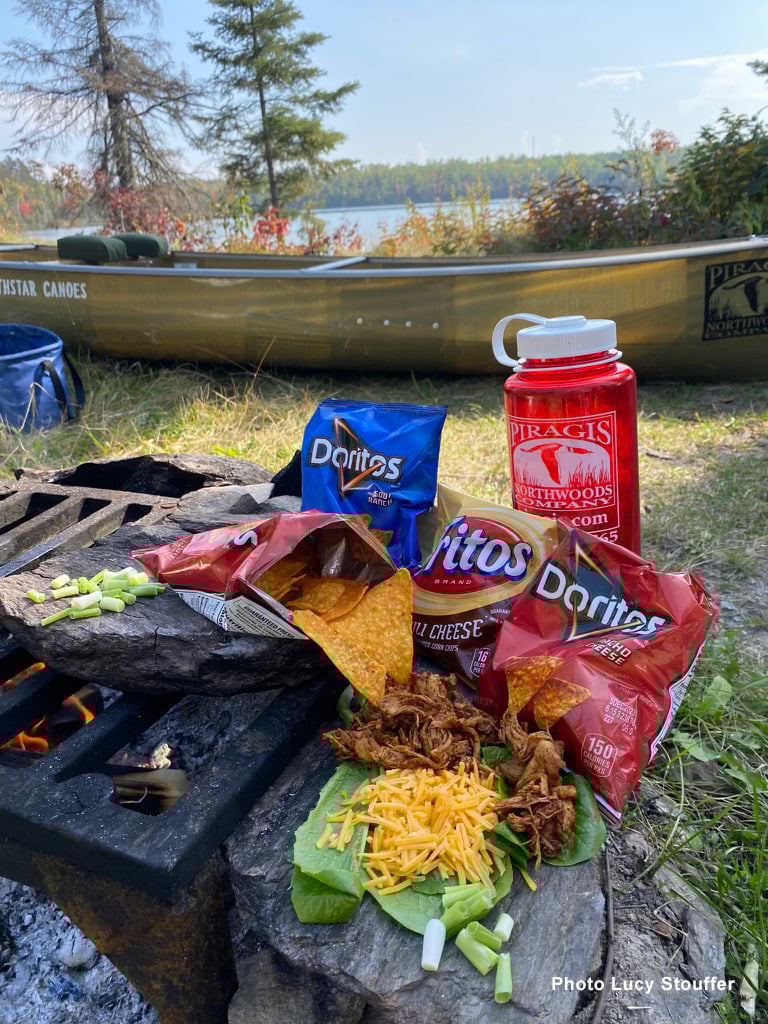
Today’s inspiration comes from the Little League concession stand and one of my kid’s favorites when they were little. Taco in a Bag. It is universally known and loved and comes with it’s own serving vessel. It is also yummy, down to the last bite, which may always end up being the best of them all. Versatile, easy and above all, quick to make.
Why do this at Camp?
When I was in high school we had an Ala Carte menu to the side of the hot lunch line. I would always order the taco salad which had a base of Fritos corn chips and came in a paper bowl. This was the precursor and less mobile version of Taco in a Bag – circa 1985. It was standard but oh so tasty. The last frito had the flavors of the whole bowl soaked into it and somehow, it was still crunchy. It was also still a shelf above the taco flavored Fritos and Doritos that you could buy.
A short video
Taco in a Bag Boundary Waters Canoe Camping style
If you plan for time for food prep at canoe camp over the campfire or your stove, then you can do all the cutting, trimming and seasoning right at camp. This isn’t a “less than five minute meal” then. If you want to reduce time and eliminate meat storage concerns and have this meal after day one or two in the woods then do all your prep at home and simply heat up your protein over the fire. Or have it cold which is an o.k. preference too.
Cook your meat over the campfire or precook, season and freeze at home. The ingredients can be personalized in endless combinations. You pack veggies, mushrooms, hamburger, chicken, steak, tofu, cheese, salsa, whatever you want, with whatever bags of chips you want.
Less than five minute camp meals are a real thing. Tasty, too.
Pro Tip #1: Black bean or veggie burgers made at home and crumbled and seasoned with taco seasoning work well.
Pro Tip #2: For these tacos in a bag buy your favorite salsas at home and transfer them from glass jars into small plastic Nalgene bottles. Salsa is a fantastic condiment to pull out of your food bag in the wilderness. It will also turn scrambles eggs and fresh walleye filets into a 5 Star Northwoods breakfast. Bring rice and beans along either pre-made and frozen, packed in zip locks or any rice and beans camp meal — pair with tortilla chips and eggs and you’ve got homemade campfire Huevos Rancheros.
Pro Tip #3: Tin foil packets (just bring along foil and fold it around your meat or protein in a packet with some space) can quickly reheat your already seasoned taco protein while sitting on even older campfire coals.
Recipe
Step 1: Open bag
Step 2: Insert Protein (Precooked! Reheat over coals in foil or eat cold) — You can obviously cook your ground beef, chicken, steak, beans, tofu, mushrooms, etc. right at camp. This will take longer than five minutes. THE OBVIOUS: your meat needs to be cooked one way or another.
Step 3: Insert and mix lettuce, cheese, olives, onion, jalapenos, rice and beans, whatever you like and have already prepped in bags for your Tacos in a Bag.
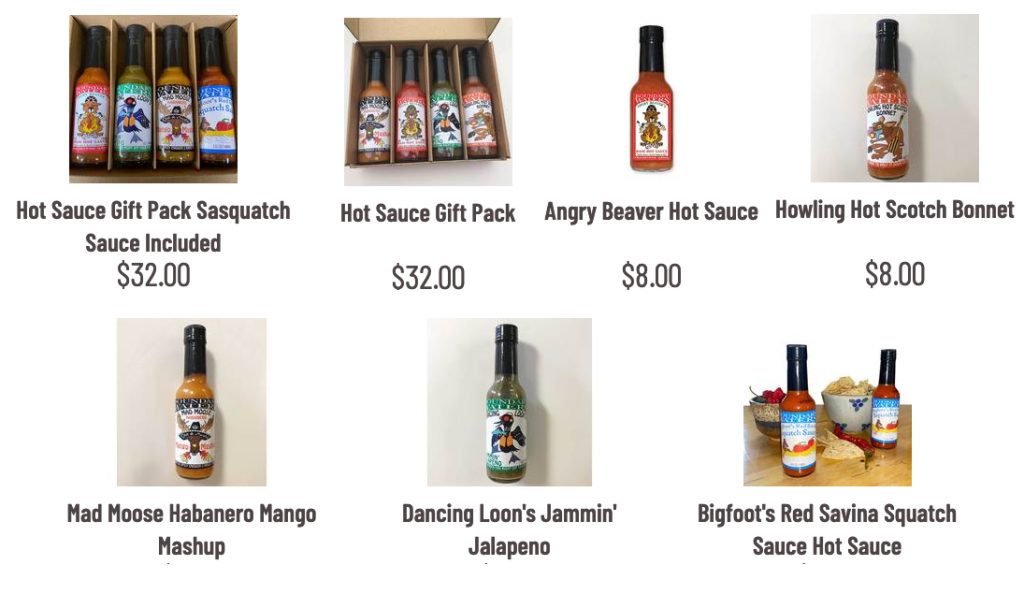
Step 4: Add Salsa, Your Favorite Hot Sauce (pick up some extra packets on the way here from the Bell?) Try one of our flavorful hot sauces.
Step 5: Now your ready to dig in with a Lexan spoon. Make a ranch taco and a Hot and Spicy Doritos Taco, Make a Frito’s taco corn chip flavored taco. Pack out your chips bags.
Pro Tip 4: Squeeze tube sour cream. (pack it with your frozen or dry ice items)
The only thing that truly can make this better is catching fish that day and having fish tacos in a bag. That, of course, increases the prep time dramatically, depending on how good of an angler you are.
Comment with some of your favorite camp meals. Think outside the bag!